 Sudden Valley Exterior
 Windows in Sunnyland Take a Different Kind of Beating
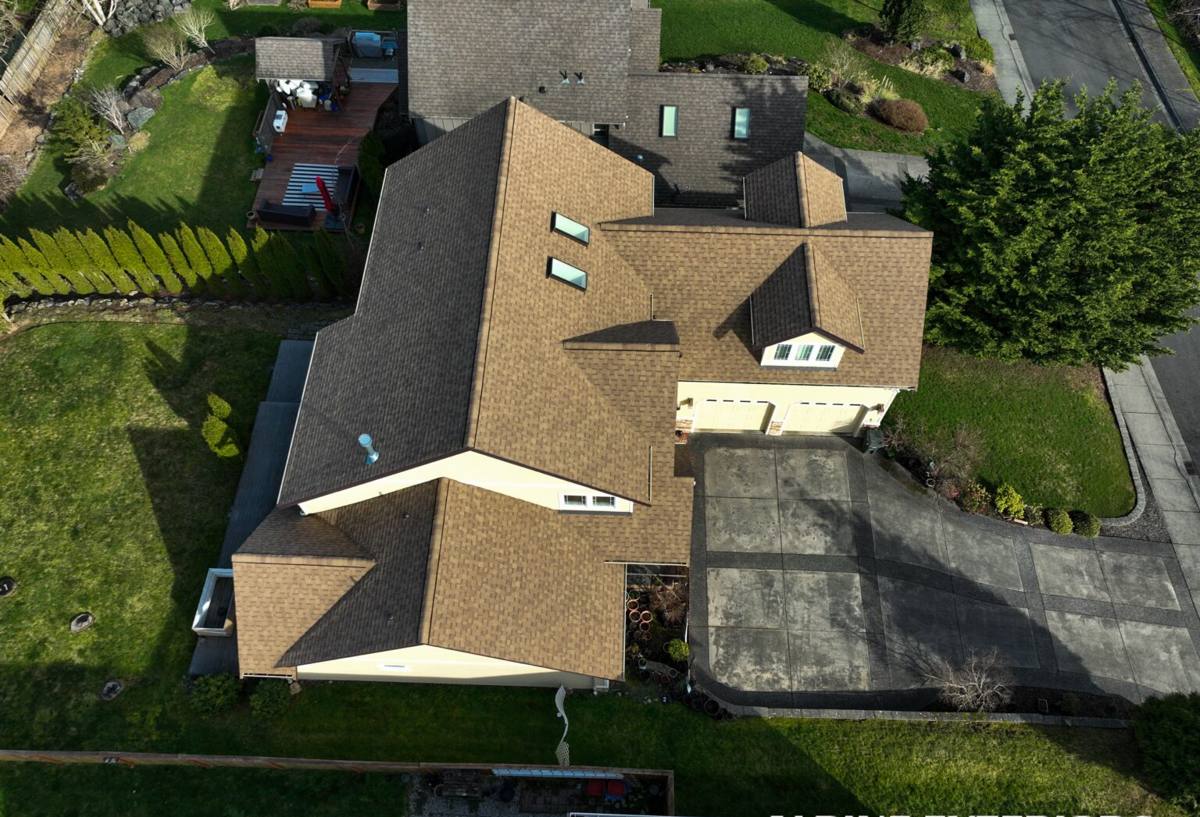
Sunnyland homes sit close enough to the water and the tree line to catch the worst of both worlds: salt-laden air moving in off the bay and heavy, sustained rain that doesn't just fall straight down — it drives sideways into window assemblies during winter storms. Add in a moss season that can stretch from late fall through spring, and you've got a climate that's genuinely hard on windows, especially older ones that were never built with this kind of exposure in mind.
This page is about one thing: replacing windows the right way for homes in this specific part of Whatcom County. Not a generic rundown of window types, but what actually matters when the job is happening a few miles from the water in a marine climate that doesn't let up for half the year.
What Salt Air, Rain, and Moss Actually Do to Windows
Each of these factors attacks a window differently, and understanding that helps explain why some replacement jobs hold up for decades and others fail in five years.
Salt Air
Airborne salt is corrosive to metal hardware — hinges, cranks, locks, and especially aluminum frames or cladding. Over time it pits finishes and accelerates rust on fasteners that were never rated for coastal-adjacent exposure. It also breaks down certain sealants faster than a drier inland climate would.
Driving Rain
Whatcom County storms frequently push rain horizontally, which means water gets forced against and around the window unit under real pressure — not just sitting on a sill. If flashing, sealant, or the window's own weather-stripping is even slightly compromised, that pressure finds the gap. This is the single biggest cause of hidden rot we see in window replacement work: water intrusion at the frame-to-wall junction, not through the glass itself.
Moss and Prolonged Dampness
Moss doesn't grow on the window itself, but it thrives in the shaded, damp conditions common around tree-covered Sunnyland lots, and it holds moisture against adjacent siding and trim for months at a time. That sustained dampness migrates toward window openings, softening wood trim and creating the exact conditions that let minor flashing gaps turn into structural rot.
Signs a Sunnyland Home Needs Window Replacement
- Soft, spongy, or discolored trim or sill wood around the window frame
- Fogging or a persistent haze between panes on dual-pane units (a sign the seal has failed)
- Windows that are difficult to open, close, or lock — often a sign the frame has shifted or swollen
- Visible daylight or a noticeable draft along the frame edges
- Condensation forming on interior glass or frames during cold, damp weeks
- Paint that keeps failing at the same spot on the exterior trim, year after year
- A musty smell near the window that doesn't go away with cleaning
Any one of these on its own might just need a repair. Several together, especially combined with visible wood damage, usually mean the window and its surrounding assembly have already taken on water and full replacement is the more honest recommendation.
What a Correct Window Replacement Job Actually Involves
Window replacement done right is mostly about what happens before the new window ever goes in the opening. The window itself is a manufactured product — the workmanship is what determines whether it lasts.
Removal and Inspection
Once the old window is out, the rough opening gets inspected for rot, soft framing, or prior water damage. This is the point where problems that caused the original failure — often a flashing or sealant issue — get identified and corrected, not just covered up with a new window.
Flashing and Water Management
This is the step that matters most in a driving-rain climate. Proper flashing directs any water that gets past the exterior finish back out and away from the wall assembly, rather than letting it pool at the sill or track behind the siding. Skipping or shortcutting this step is the number one reason window replacements fail early in coastal Washington conditions.
Insulation and Air Sealing
The gap between the new window frame and the rough opening needs to be sealed and insulated correctly — not overpacked with expanding foam that can bow the frame, and not left with gaps that undercut the window's energy performance and let moist air infiltrate.
Trim and Finish Work
Interior and exterior trim gets reinstalled or replaced, and every exterior seam gets sealed with a sealant rated for sustained wet exposure. Corners and joints get extra attention, since that's where driving rain finds its way in first.
Choosing the Right Window Type for This Climate
There's no single "best" window material — the right choice depends on how much maintenance a homeowner wants to take on and how the home is oriented to wind and rain. Here's how the common options actually compare for a marine, high-moisture environment like this one.
| Frame Material | Moisture Performance | Maintenance | Typical Trade-off |
|---|---|---|---|
| Vinyl | Good — won't rot or corrode | Low | Can look less premium; color/finish options more limited |
| Fiberglass | Excellent — very stable in wet, temperature-swinging conditions | Low | Higher upfront cost than vinyl |
| Aluminum | Fair — durable but prone to corrosion near salt air over time | Moderate | Thermal performance generally weaker unless thermally broken |
| Wood / Wood-clad | Weakest in sustained wet exposure unless meticulously maintained | High | Best traditional appearance, but real ongoing upkeep burden here |
For most Sunnyland homes, we steer clients toward vinyl or fiberglass for this reason: both hold up to sustained moisture and salt-tinged air with minimal upkeep, while wood-frame windows carry a maintenance commitment that's tough to keep up with in a climate this consistently damp. That's not a knock on wood as a material — it's a matter of what actually survives here with the least homeowner effort.
Glass and Performance Options Worth Understanding
Beyond the frame, the glass package affects both comfort and how well the window resists condensation — which matters in a climate with long stretches of cold, damp air pressing against warm interior glass.
- Dual-pane vs. triple-pane: Dual-pane with a quality low-E coating is sufficient for most homes here; triple-pane adds cost and weight but can be worth it on exposed, wind-facing walls.
- Low-E coatings: Reduce heat transfer and help limit interior condensation during cold snaps — a real issue in a consistently humid climate.
- Argon or krypton gas fill: Improves insulating performance between panes; argon is the standard, cost-effective choice for this region.
- Warm-edge spacers: Reduce the cold spot at the glass edge where condensation and, eventually, seal failure tend to start first.
Our Process, Start to Finish
- On-site assessment: We walk the home, check existing windows and surrounding trim for hidden water damage, and measure openings.
- Honest recommendation: We tell you which windows need replacement now, which can wait, and why — no upselling every window on the house if it isn't warranted.
- Written estimate: Clear pricing by window, with frame and glass options explained in plain terms.
- Installation: Careful removal, opening inspection and repair as needed, correct flashing, insulation, and sealing.
- Finish and cleanup: Trim finished inside and out, site cleaned, and every unit tested for smooth operation and a tight seal before we call the job done.
What Drives Window Replacement Cost
| Factor | Why It Affects Price |
|---|---|
| Frame material | Vinyl is typically the most affordable; fiberglass and wood-clad cost more upfront |
| Window size and count | Larger or custom-sized openings and higher window counts increase both material and labor cost |
| Access and story height | Second-story or hard-to-access windows take more time and sometimes equipment |
| Condition of the rough opening | Rot or water damage found during removal adds repair work before the new window goes in |
| Glass package | Triple-pane, upgraded low-E coatings, or specialty glass add cost over standard dual-pane |
| Trim and exterior finish | Matching existing trim profiles or upgrading finish materials affects labor time |
We won't quote a job over the phone with any accuracy — every home's openings, existing damage, and access are different. That's what the on-site estimate is for.
Why Hiring a Crew That Already Works This Area Matters
A contractor who regularly works in Sunnyland and the broader Sudden Valley area already understands how this specific stretch of Whatcom County behaves — which wall orientations take the worst of the driving rain, how quickly moss reestablishes itself on shaded siding, and how salt-tinged air near the water shortens the working life of the wrong hardware or sealant choice. That's not something you get from a crew that treats every job the same regardless of region. It shows up in the small decisions: which flashing detail to use on a wind-facing wall, which sealant actually holds up through a full wet season, and which frame material we'd put on our own homes here.
Keeping New Windows Performing Long-Term
- Rinse frames and glass periodically to remove salt residue, especially on wind- and water-facing sides of the home
- Check exterior caulking and sealant lines once a year for cracking or gaps and re-seal as needed
- Keep gutters and downspouts clear so water isn't dumping near window openings
- Trim back vegetation that keeps trim and siding near windows shaded and damp
- Operate locks and hardware periodically through the year so they don't seize from disuse or corrosion
- Watch for early condensation or fogging between panes and address it before it spreads to other units
If you're seeing drafts, fogged glass, soft trim, or windows that just don't operate the way they used to, we're happy to take a look. Reach out for a free, no-pressure estimate — we'll tell you honestly what needs replacing now, what can wait, and what actually makes sense for a Sunnyland home in this climate.