 Sudden Valley Exterior
 Exterior Work in Geneva, Sudden Valley
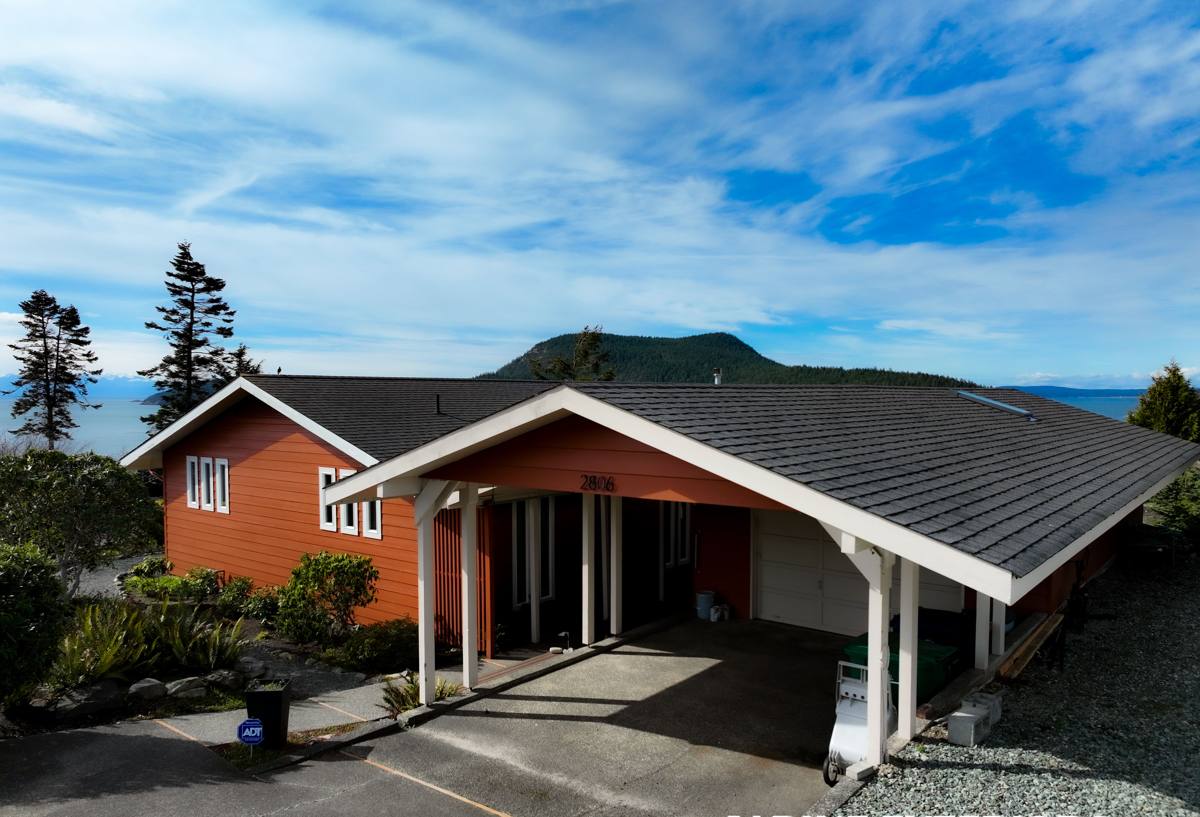
Geneva sits within the broader Sudden Valley community in Whatcom County, an area shaped as much by its trees and moisture as by its lake views. Homes here are surrounded by mature conifers, tucked into slopes, and exposed to the long, wet stretch of a Pacific Northwest fall through spring. That combination — heavy shade, driving rain, and persistent dampness — is exactly the kind of environment that separates exterior materials and installation crews that hold up from the ones that don't. Sudden Valley Exterior Co works this area regularly, and we've built our approach around what actually survives a Whatcom County winter, not just what looks good on a sunny install day.
This page covers what we see most often on Geneva homes, how our siding, roofing, window, and deck work is suited to this climate, and why we've standardized on one siding product rather than offering a menu of options.
What the Climate Does to Exterior Surfaces Here
Whatcom County's marine climate means moisture is a constant, not an occasional event. Geneva's tree cover and proximity to the lake add to that: shaded siding and roof sections dry more slowly after every rain, north-facing walls rarely get direct sun, and moss finds a foothold anywhere organic debris collects. Add in the salt-tinged air that reaches inland across this part of Western Washington and you get a slow, steady corrosion pressure on fasteners, flashing, and any metal component that isn't rated for it.
The Recurring Problems We See
- Moss and algae staining on north- and west-facing siding and roof planes, especially under tree canopy
- Soft, swollen trim and siding edges where paint has failed and moisture got underneath
- Rust bleed at fastener heads and flashing seams on older roofing systems
- Window frames and sills with early rot at the corners, where caulk joints are the first to fail
- Gutters and downspouts overwhelmed by needle and leaf litter, pushing water back toward the wall assembly
None of this is unusual for the region — it's just what happens to a house that sits in shade and rain for eight or nine months of the year. The question isn't whether your home will face this exposure, it's whether the materials and the install were built to take it.
Siding in Geneva: Why We Only Install James Hardie
Sudden Valley Exterior Co installs James Hardie fiber cement siding exclusively. We don't offer vinyl, LP SmartSide, Cemplank, Allura, primed spruce, or cedar as alternatives, and that's a deliberate standard, not a limitation of what we know how to install.
Where the Alternatives Fall Short in This Climate
Vinyl siding is affordable and low-maintenance in the sense that it doesn't need painting, but it's a poor match for a shaded, moisture-heavy site. It can warp under temperature swings, and its seams and J-channels give moss and mildew places to take hold that are hard to clean without damaging the material. Wood-based siding — cedar, primed spruce, and engineered wood products like LP SmartSide — depends entirely on an intact paint or coating layer to keep water out. In a climate where surfaces stay damp for days after a storm, any gap in that coating (a nail pop, a hairline crack, a spot the installer missed) becomes an entry point for rot. Cemplank and Allura are also fiber cement, and fiber cement as a category is the right call here — but we standardized on Hardie specifically for its factory-applied ColorPlus finish, its HZ5 product engineering for wet climates, and the depth of installer training and warranty support behind it.
Why Hardie Holds Up Here
James Hardie fiber cement is non-combustible, dimensionally stable, and doesn't absorb water the way wood-based products do. The HZ5 line is engineered for the kind of freeze-wet cycling and driving rain Whatcom County sees, and the ColorPlus factory finish is baked on under controlled conditions rather than applied on site — which means better adhesion and a longer stretch before repainting is even a conversation. It won't rot, and it holds up to the constant moss and mildew exposure that shaded lots like the ones common around Geneva create, especially with routine rinsing as part of normal upkeep. The transferable warranty also matters to homeowners who may sell in the next decade — it follows the house, not just the original owner.
Siding Comparison at a Glance
| Material | Moisture Resistance in Shade/Damp Sites | Maintenance | Our Position |
|---|---|---|---|
| James Hardie Fiber Cement | Strong — engineered for wet climates, doesn't absorb water like wood | Periodic rinse, no repainting for years | What we install |
| Vinyl | Weak in shade — seams trap moisture/moss, can warp | Low, but limited repair options | Not offered |
| Cedar / Primed Spruce | Poor — rot risk once coating fails | High — regular painting/staining | Not offered |
| LP SmartSide | Moderate — coating-dependent | Moderate, coating upkeep | Not offered |
| Other Fiber Cement (Cemplank, Allura) | Strong — same category strengths | Low | Not our brand standard |
Roofing for a Shaded, Wet Property
Roofs around Sudden Valley and Geneva take a beating from moss more than almost anything else. Needle litter collects in valleys and behind chimneys, holds moisture against the shingle surface, and gives moss a place to root. Once moss establishes, it lifts shingle edges and channels water sideways instead of down and off the roof — that's when leaks start, often well before the shingles themselves are actually worn out.
Our roofing work in this area focuses on the details that matter most in a shaded, high-moisture site: proper ventilation to keep the underside of the deck dry, ice-and-water shield at valleys and eaves, corrosion-resistant flashing at every penetration, and a clean tie-in at chimneys and skylights where most leaks originate. We also talk with homeowners honestly about moss prevention — zinc or copper strips, canopy trimming where practical, and a realistic cleaning schedule — because a roof install is only as good as the maintenance plan behind it.
Windows: Sealing Out the Damp
Older single-pane and early dual-pane windows are common on homes in this area, and in a marine climate they tend to show their age through fogged glass, soft sills, and drafts that get worse every winter. Window replacement here isn't just about energy efficiency — it's about closing off the entry points that let moisture reach the framing around the window opening in the first place. We pay close attention to flashing and sealant detail at every window we install, because a window that's watertight on install day but poorly flashed will still let water in behind the trim within a few seasons.
Decks in a Rain-Heavy, Tree-Covered Setting
Decks around Sudden Valley face two problems at once: standing moisture from long rainy stretches, and the slip hazard that comes with moss and algae buildup on shaded boards. Board spacing, proper ledger flashing against the house, and drainage underneath all matter more here than they would on a dry, sun-exposed lot. Whether we're repairing an existing deck or building new, we design for water to move off and away from the structure — not just today, but for the wet season every single year.
Why a Local Crew Matters in Sudden Valley
Exterior work here isn't generic. A crew that mostly works drier, sunnier parts of the state doesn't necessarily think about canopy shade, moss timing, or how far inland salt-tinged air still affects fasteners. We work Whatcom County lots regularly, which means we're not guessing at how a shaded north wall behaves differently than a south-facing one on the same house, or when moss season actually starts building up on a roof versus when it becomes a visible problem. That local pattern recognition shows up in small decisions — flashing choices, fastener selection, where we recommend trimming back branches — that add up to an exterior that actually performs over the long, wet season rather than just looking good in the estimate photos.
What to Check Before You Hire
Whatever contractor you choose for siding, roofing, windows, or decks in this area, a few basics are worth confirming up front.
- Washington state contractor license and current liability insurance
- Manufacturer-specific training if you're getting fiber cement siding — installation quality affects the warranty
- A written estimate that spells out materials, scope, and timeline, not just a bottom-line number
- Willingness to explain flashing and moisture-management details, not just the finish material
- References or examples of work in similar shaded, wet-climate settings
Planning an Exterior Project in Geneva
Whether you're dealing with moss-stained siding, a roof that's starting to show its age, drafty old windows, or a deck that never quite dries out, the starting point is the same: an honest look at what your home is actually facing and what it will take to hold up against it long-term. We're happy to walk a property, point out what we see, and explain our recommendations plainly — including why we'll steer you toward James Hardie siding if replacement is on the table.
If you're weighing options for your home's exterior in Geneva or elsewhere in Sudden Valley, reach out for a free, no-pressure estimate using the form below.