 Sudden Valley Exterior
 Exterior Contracting for Bellingham Homes
Bellingham sits where the Puget Sound meets the foothills of the Cascades, and that geography shapes what happens to a house here over time. Homes in and around Bellingham deal with a longer wet season than most of the country, salt-laden air drifting off Bellingham Bay, and enough shade and moisture to keep moss and algae established on roofs and siding for most of the year. None of that is dramatic on its own, but it adds up. A house that isn't built and maintained for this climate shows it within a decade — soft trim, streaked siding, moss-choked roof valleys, windows that stopped sealing properly. Sudden Valley Exterior Co works on siding, roofing, windows, and decks throughout the Bellingham area, and everything we recommend is filtered through one question: how does this material or system actually hold up in Whatcom County weather, not in a showroom.
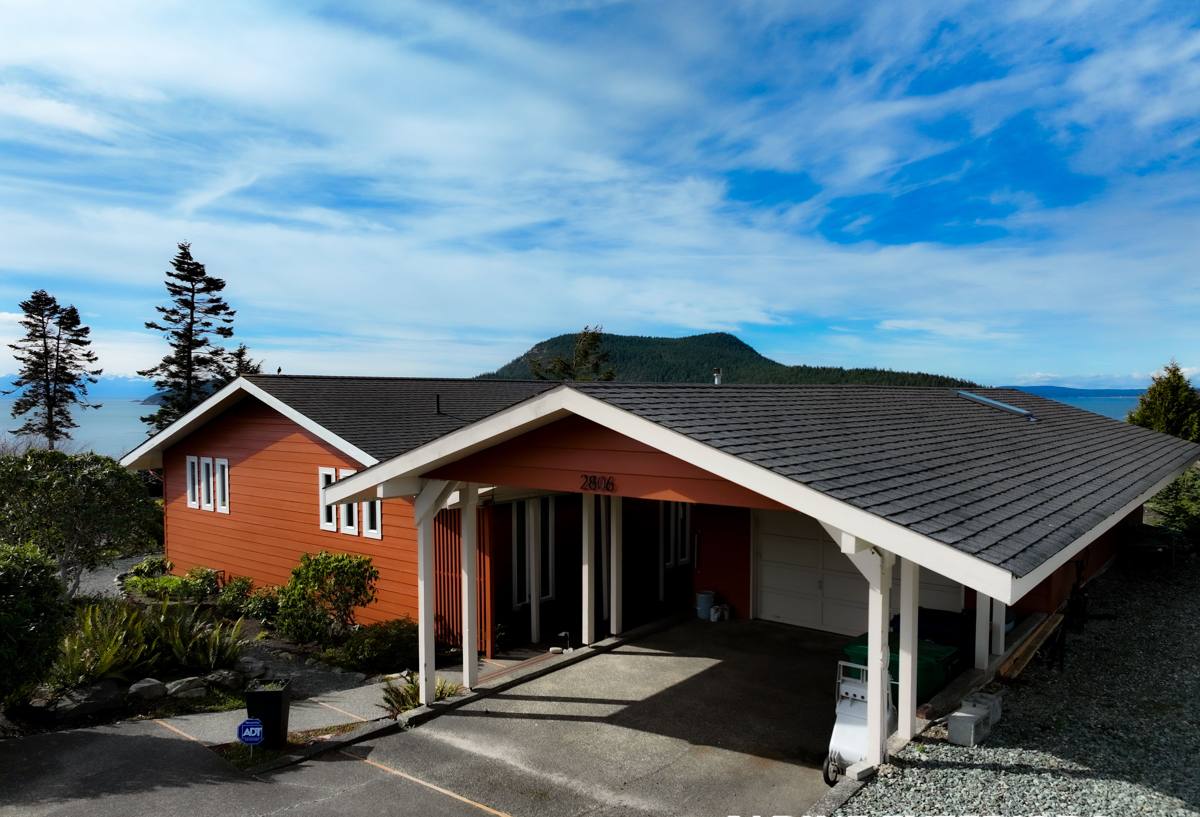
What the Local Climate Actually Does to a House
Driving Rain and Prolonged Moisture
Whatcom County doesn't get the heaviest rainfall totals in the state, but it gets a lot of low-intensity, wind-driven rain over many months, which is arguably worse for a building envelope than occasional downpours. Wind-driven rain finds its way behind poorly flashed trim, into end-grain wood, and under siding laps that weren't installed with the right clearances. Materials that absorb water and don't fully dry between storms are the ones that fail first — swelling, delaminating, or rotting from the inside out.
Salt Air Off the Bay
Proximity to Bellingham Bay means salt-bearing air moves through neighborhoods closer to the water, and salt accelerates corrosion on fasteners, flashing, and any metal component on a roof or exterior wall. It also speeds up the breakdown of paint films and lower-grade siding finishes, which is one reason we pay close attention to what fasteners and flashing metals get specified on jobs near the shoreline.
Moss, Algae, and Shade
Bellingham's tree cover and cloud cover are part of what makes the area beautiful, but they also mean roofs and north-facing siding stay damp longer and get less direct sun to dry out. That's ideal moss and algae territory. Left unchecked, moss on a roof holds moisture against shingles and underlayment, works into seams, and shortens the roof's service life. Algae streaking on siding is mostly cosmetic, but it's also a sign that a surface is staying wet longer than it should.
Siding: Why We Only Install James Hardie
Siding is the single biggest factor in how well a house handles this climate, and it's also the product homeowners get the most conflicting advice about. We made a deliberate decision to install only James Hardie fiber cement siding — not vinyl, not LP SmartSide, not Cemplank or Allura, not primed spruce or cedar. That's not a marketing position; it's a maintenance and moisture-performance decision based on what actually happens to these materials in a place like Bellingham.
Where the Alternatives Fall Short Here
- Vinyl siding is affordable and low-maintenance in dry climates, but it expands and contracts with temperature swings, can warp or crack in wind, and its seams and butt joints give wind-driven rain more opportunities to get behind the cladding over time.
- LP SmartSide (engineered wood) performs reasonably well when installation is flawless, but any breach in its factory coating — a nail pop, a poorly sealed cut edge, a gap at a joint — lets moisture into the wood substrate, and in a climate this wet, that's a real risk over the life of the siding.
- Cedar and primed spruce are traditional and attractive, but real wood siding in Western Washington needs disciplined, recurring maintenance — repainting, caulking, checking for rot — to avoid moisture damage. Most homeowners don't keep up with that schedule, and the siding pays for it.
- Cemplank and Allura are also fiber cement, and fiber cement as a category is the right call for this climate. Our reason for standardizing on Hardie specifically comes down to their factory-applied ColorPlus finish, their HZ5 product engineering for wet, marine-influenced climates like ours, and a warranty structure we're comfortable standing behind.
Fiber cement as a material category doesn't absorb and swell like wood-based products, doesn't warp with temperature swings like vinyl, and holds paint and color far longer because the color is baked on at the factory rather than field-applied. James Hardie's HZ5 line is specifically engineered for regions with sustained moisture exposure, which describes Whatcom County well. It's non-combustible, which matters as wildfire smoke and fire risk have become more of a regional conversation even west of the Cascades, and it carries a strong transferable warranty that protects the investment if the home changes hands.
Roofing: Built to Shed Water and Resist Moss
A roof in Bellingham has two jobs: shed a lot of rain efficiently, and resist the moss and algae growth that shaded, damp roof planes are prone to. That means correct underlayment, properly lapped and sealed flashing at every valley, chimney, and penetration, and attention to ventilation so the roof deck isn't trapping moisture from underneath as well as fighting it from above. We also talk with homeowners honestly about moss prevention — zinc or copper strips near the ridge, periodic gentle cleaning, and keeping overhanging branches trimmed back — because prevention is far cheaper than replacing shingles that have been sitting under wet moss mats for years.
Windows: Sealing Out Wind-Driven Rain
Old or poorly installed windows are one of the most common sources of water intrusion we find in Bellingham homes. It's rarely the glass — it's the flashing and sealant detail around the window opening. Wind-driven rain gets pushed sideways and upward under wind pressure, and if the flashing isn't lapped correctly with the water-resistive barrier behind the siding, water tracks down into the wall cavity where nobody sees it until there's a stain, soft spot, or musty smell inside. We install replacement windows with the same attention to flashing sequence we use everywhere else on the building envelope, because a good window installed badly still leaks.
Decks: Standing Up to Year-Round Wet
Decks in this area spend a lot of the year wet, and often shaded, which is a tough combination for fasteners, ledger connections, and any wood-to-wood contact point. We build and repair decks with attention to proper flashing at the ledger board (a common failure point on older decks), fasteners rated for wet, sometimes salt-influenced air, and drainage so water doesn't pool on the deck surface or against the house. Composite decking is worth considering for homeowners who want to minimize the sanding-staining-sealing cycle that wood decking demands in a climate that barely gives paint and stain time to cure between rain events.
Comparing Siding Options for a Bellingham Home
| Siding Material | Moisture Performance Here | Maintenance Burden | Typical Lifespan |
|---|---|---|---|
| Vinyl | Seams and joints allow water infiltration under wind-driven rain; can warp | Low, but repairs/replacement often needed after storm damage | 15-25 years |
| Cedar / primed spruce | Absorbs moisture without diligent upkeep; prone to rot at end grain | High — repainting, caulking, inspection on a strict schedule | 10-25 years depending on upkeep |
| LP SmartSide (engineered wood) | Good if coating stays intact; vulnerable at breaches and cut edges | Moderate — coating and caulk need monitoring | 20-30 years |
| Other fiber cement (Cemplank, Allura) | Strong — fiber cement resists swelling and rot | Low | 30-50 years |
| James Hardie fiber cement | Strong, with HZ5 engineering specifically for marine/wet climates | Low — factory ColorPlus finish resists fading and chalking | 30-50+ years with transferable warranty |
Why a Local Crew Matters
Flashing details, fastener spacing, and ventilation requirements that work fine in a dry inland climate don't necessarily hold up here, and a crew that mostly works elsewhere doesn't always know that going in. We work in Whatcom County year-round, so we're used to sequencing exterior work around the wet season, protecting open wall and roof sections during a job, and building in the details — kick-out flashing, proper weep paths, correctly lapped house wrap — that matter more in a climate that doesn't give a house many dry stretches to recover from a mistake.
A Practical Exterior Maintenance Checklist for Bellingham Homeowners
- Inspect roof valleys and north-facing roof planes for moss buildup at least once a year
- Keep gutters and downspouts clear before the fall rains start
- Check caulking and sealant around windows and doors annually, especially on the weather-facing side of the house
- Trim back trees and shrubs that keep siding or roof sections shaded and slow to dry
- Look for streaking, soft spots, or bubbling paint on siding, which often signals moisture getting behind the cladding
- Inspect deck ledger boards and fastener connections for corrosion or looseness
Getting Started
Whether you're dealing with aging siding, a moss-covered roof, drafty windows, or a deck that's seen better days, we're happy to take a look and give you a straightforward assessment of what's actually going on and what it would take to fix it right. If you're in Bellingham or elsewhere in Whatcom County, reach out for a free, no-pressure estimate — there's a form right below to get that conversation started.