 Sudden Valley Exterior
 Exterior Wear in the Sehome Neighborhood
Sehome sits close enough to Bellingham Bay and the broader Whatcom County shoreline that salt-laden air is a real factor in how exteriors age here, not just a coastal-town cliché. Add in the wind-driven rain that comes through in fall and winter storms, plus a tree canopy that keeps parts of the neighborhood shaded and damp well into spring, and you get a combination that's tough on siding, roofing, windows, and decks alike. Homes here don't fail because they're poorly built — they fail because most exterior products simply weren't engineered for this specific mix of moisture, salt exposure, and shade.
Sudden Valley Exterior Co works across Whatcom County, and Sehome's older housing stock alongside newer infill construction gives us a good cross-section of what holds up and what doesn't. This page walks through what we see in the neighborhood and how our approach to siding, roofing, windows, and decks is built around those conditions.
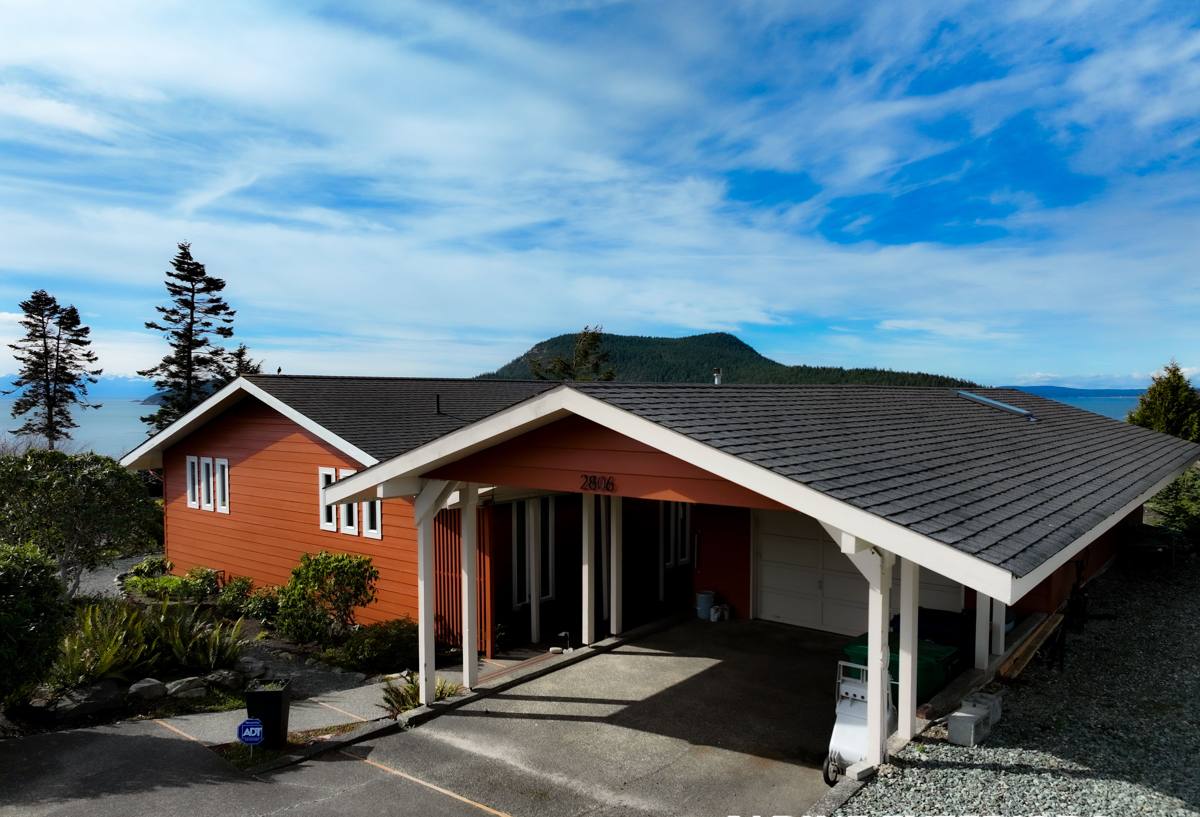
Why Salt Air, Rain, and Moss Matter Here
Salt Air and Corrosion
Proximity to the bay means airborne salt settles on exterior surfaces, fasteners, and trim. Over years, that accelerates corrosion on lower-grade metal fasteners and can degrade certain paints and coatings faster than manufacturers' standard warranties assume. It's a slow, cumulative effect — the kind of thing that shows up as premature fading, chalking, or rust streaks well before a product's rated lifespan is up.
Driving Rain
Storms off the Salish Sea don't just drop rain straight down — wind pushes it sideways into wall assemblies, especially on west- and south-facing elevations. Any siding system with weak seams, gaps at butt joints, or inadequate flashing details will let moisture behind the cladding eventually. Once water gets behind siding, the sheathing and framing underneath are what actually pay the price.
Moss Season
Whatcom County's long wet season, combined with mature trees in older Sehome blocks, creates ideal conditions for moss and algae growth on roofs and on the shaded sides of houses. Moss holds moisture against roofing material and siding surfaces for extended periods, which shortens the service life of anything not built to resist that kind of sustained dampness.
Siding: Why We Only Install James Hardie
Sudden Valley Exterior Co installs James Hardie fiber cement siding exclusively. We don't install vinyl, LP SmartSide, Cemplank, Allura, primed spruce, or cedar — and in a climate like Sehome's, that's a deliberate standard, not a sales pitch.
What We See With Other Products Locally
- Vinyl siding expands and contracts with temperature swings and can warp or buckle under sustained wind-driven rain exposure; seams are a common entry point for moisture over time.
- Wood-based composite siding (LP SmartSide) uses engineered wood strand as its core, which means any breach in the factory coating or field-cut edge treatment gives moisture a path into a material that can swell and deteriorate.
- Primed spruce and cedar are natural wood products that require disciplined, recurring maintenance — repainting, caulking, and moisture monitoring — to hold up against a wet season as long as ours. Skipped maintenance cycles show up fast as rot, especially on shaded elevations.
- Other fiber cement brands (Cemplank, Allura) are legitimate fiber cement products, but we've standardized on Hardie's specific formulation, factory finish process, and regional engineering rather than splitting our installation expertise and warranty relationships across multiple manufacturers.
Why Hardie Fits This Climate
James Hardie fiber cement is non-combustible and dimensionally stable — it doesn't expand and contract the way wood or vinyl does, which matters when a wall assembly is absorbing wind-driven rain cycle after cycle. Hardie's ColorPlus factory finish is baked on under controlled conditions rather than field-painted, which gives it better resistance to fading and chalking from UV and salt exposure than most site-applied coatings. Hardie also engineers specific product lines (their HZ5 line, for example) for wetter, more humid climates like the Pacific Northwest, and backs the material with a strong transferable warranty — useful if the home changes hands, which is common in a neighborhood as close to WWU as Sehome.
None of this means fiber cement is maintenance-free. It still needs to be installed to spec — correct clearances, proper flashing, factory-recommended fastening — or you lose the benefit of the material itself. That installation discipline is where a lot of exterior problems actually originate, regardless of what siding is on the wall.
Roofing: Managing Moss and Wind-Driven Rain
Roofing in Sehome has to deal with the same moss pressure and wind-driven rain as siding, plus the added stress of standing water risk on lower-slope sections and valleys. We look at ventilation, underlayment quality, and flashing details around chimneys, skylights, and roof-wall intersections — these are the places moisture typically finds its way in, not usually the open field of shingles. Good attic ventilation also matters more than people expect; poor airflow traps moisture underneath the roof deck and speeds up rot from the inside, which is easy to miss until it's expensive.
Homes under heavy tree cover in Sehome tend to need moss treatment and gutter clearing more often than homes in open, sunnier parts of the county. We'll flag that during an inspection rather than waiting for it to become a leak.
Windows: Condensation and Drafts in a Wet Climate
Older windows in Sehome's established homes often show their age through condensation between panes, fogging, or drafts around the frame — all signs that seals have failed or the frame material has taken on moisture. In a climate this consistently damp, failed seals don't just cost you on heating bills; they let moisture work into the surrounding wall framing over time. We evaluate window condition as part of any siding or exterior project, since window flashing and siding integration are closely linked — a poorly flashed window opening can undermine even a well-installed siding job.
Decks: Built for Standing Water and Freeze-Thaw Cycles
Deck framing and ledger connections are one of the more overlooked failure points on Whatcom County homes. Wind-driven rain plus a shaded lot means decks can stay damp for days after a storm, and any wood in prolonged contact with moisture is vulnerable to rot, especially at the ledger board where the deck attaches to the house — a spot that also happens to be a common water-intrusion point into the home itself. We build and repair decks with attention to proper flashing at the ledger, adequate drainage, and materials suited to sustained damp exposure rather than just what looks good on install day.
Cost Factors: What Affects Your Exterior Project
| Factor | Why It Matters in Sehome |
|---|---|
| Tree canopy / shade exposure | Shaded elevations hold moisture longer, increasing moss growth and material wear, which can affect prep work and treatment needs |
| Home age and existing siding | Older homes may need additional sheathing repair or moisture remediation discovered once old siding comes off |
| Elevation facing prevailing storms | West- and south-facing walls typically need more attention to flashing and seam detailing |
| Roof-to-wall and window flashing condition | Deferred flashing issues often cost more to fix than the visible siding or roofing work itself |
| Scope (single trade vs. combined project) | Bundling siding, roofing, window, or deck work can reduce redundant setup and access costs |
Why a Local Crew Matters
A crew that works Whatcom County regularly knows which elevations in a given neighborhood take the worst of the wind-driven rain, how much moss pressure to expect under mature tree cover, and how salt air factors into fastener and coating choices near the bay. That local knowledge shapes real decisions — where extra flashing attention is warranted, which parts of a home need closer inspection before starting work, and what maintenance schedule actually makes sense for this climate rather than a generic manufacturer guideline written for a drier region.
A Simple Homeowner Checklist for Sehome
- Check north- and shade-facing siding and roof sections for moss or algae buildup at least once a year
- Inspect window seals for fogging, condensation between panes, or drafts, especially on older units
- Look at deck ledger boards and support posts for soft spots or discoloration after the wet season
- Clear gutters and downspouts before fall storms to reduce water backing up under roofing or siding
- Watch for chalking, fading, or fastener rust on siding and trim, particularly on walls facing prevailing storms
- Have flashing around chimneys, skylights, and window openings checked periodically, since these are common leak points
Getting Started
If you're noticing moss buildup, drafty windows, a deck that stays damp longer than it should, or siding that's showing its age, we're happy to take a look and walk you through what we're seeing and why. Reach out for a free, no-pressure estimate — the form below gets you started.