 Sudden Valley Exterior
 Exterior Work Built for Alger's Climate
Alger sits in a stretch of Northwest Washington where the exterior of a house works harder than most homeowners realize. Between the marine air drifting in off the Salish Sea, long stretches of rain that can last for weeks at a time, and the moss and mildew pressure that comes with living under a heavy tree canopy, the outside of a home here takes a steady beating year-round. Sudden Valley Exterior Co. has spent years working on homes throughout this part of Whatcom County, and we've built our process around what actually holds up in this environment rather than what looks good on a showroom sample.
Salt-laden air, driving rain, and a moss season that can stretch from fall through spring aren't abstract concerns out here — they're the reason certain siding products fail early, why roofs need the right ventilation detailing, and why window and door flashing has to be done correctly the first time. A crew that understands the local conditions builds differently than one working from a generic checklist.
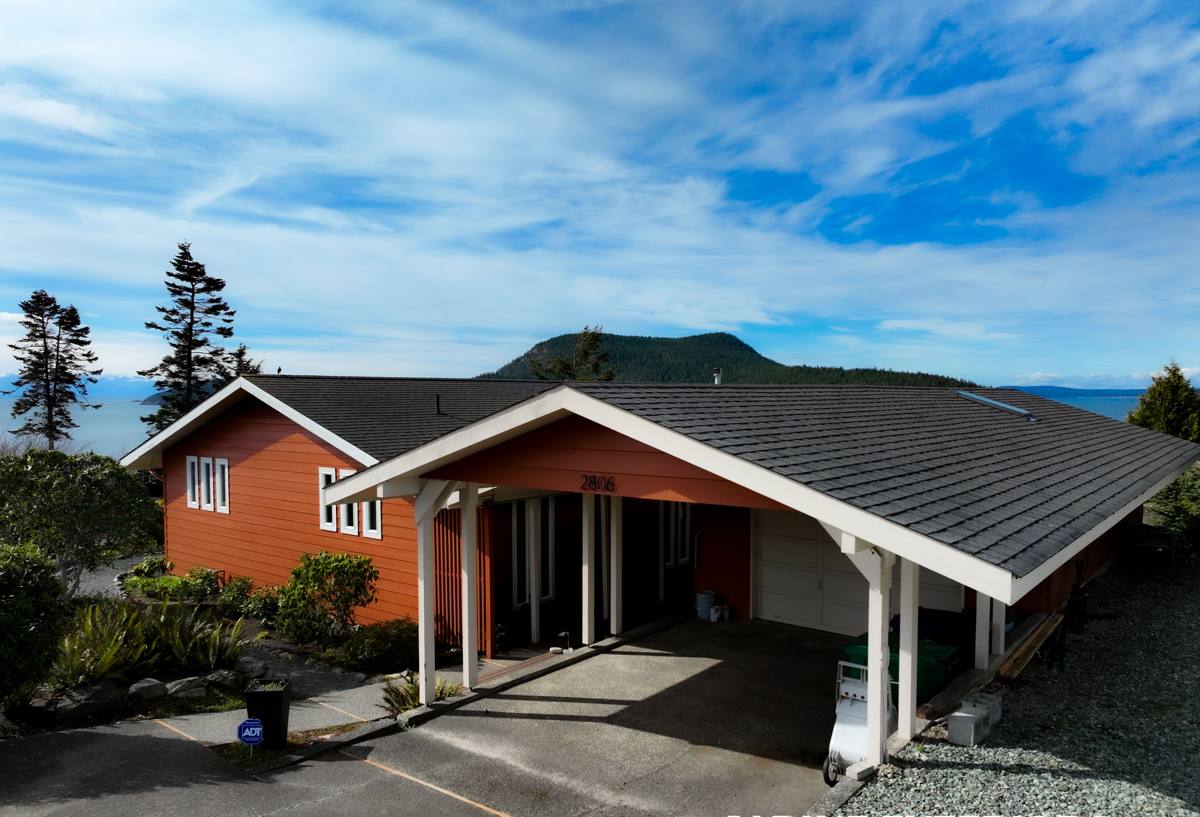
What Alger Homes Are Up Against
Moisture That Doesn't Let Up
This part of Washington gets a lot of rain, but it's not just the volume — it's the duration. Homes in and around Alger can go through extended periods where siding, trim, and roofing surfaces stay damp for days or weeks without a real drying window. That kind of sustained moisture exposure is exactly what separates exterior materials that hold up for decades from ones that start showing problems in year five or six.
Moss, Mildew, and Shade
Wooded lots and overcast skies are part of the appeal of living out here, but they also mean less direct sun hitting roofs and north-facing walls. Less sun means slower drying and more opportunity for moss, algae, and mildew to take hold on roofing and siding surfaces. Left unaddressed, moss growth on a roof can work its way under shingles and shorten the life of the roofing system considerably.
Salt Air and Coastal Influence
Whatcom County's proximity to Puget Sound and Bellingham Bay means many homes in this general area deal with some level of salt-influenced air, even set back from the water. Salt air accelerates corrosion on fasteners and metal components and speeds up the breakdown of lower-grade siding materials — another reason material choice matters as much as workmanship.
Siding: Why We Only Install James Hardie
Siding is the single biggest factor in how well a home in this climate ages. We made the decision years ago to install James Hardie fiber cement exclusively — not vinyl, not LP SmartSide, not cedar, not primed spruce, not other fiber cement brands. That's not a marketing position; it's a standard we hold because of what we've seen happen to other materials in exactly the conditions Alger deals with.
- Vinyl siding can warp, fade, and become brittle with age, and its seams and edges give moisture a path inward over time — a real liability in a climate this wet.
- LP SmartSide and other engineered wood products depend heavily on perfect installation and caulking maintenance to keep moisture out of the wood substrate. Miss a detail, and moisture intrusion can lead to swelling or rot.
- Cedar and primed spruce require ongoing refinishing and are more vulnerable to moss, mildew, and rot in a shaded, damp environment like this one.
- Other fiber cement brands exist, but we've standardized on James Hardie specifically for its factory-baked ColorPlus finish, its climate-engineered HZ5 product line built for the Pacific Northwest, and the strength of its transferable warranty.
James Hardie siding is non-combustible, resists moisture-driven swelling and rot far better than wood-based products, and holds its factory finish for years without the fading and chalking that plagues lower-grade siding. It costs more upfront than vinyl or engineered wood — that's a real trade-off, and we're upfront about it. But for a home that's going to sit under tree cover and take on rain for eight or nine months a year, it's the material that keeps homeowners from repeating the project in fifteen years.
Roofing That Handles Moss and Rain, Not Just Sheds It
A roof out here needs to do more than keep water out — it needs to manage moss growth, dry out efficiently between rain events, and be ventilated correctly so trapped moisture doesn't damage the deck underneath from the inside. We install roofing systems with attention to proper underlayment, flashing at every penetration and valley, and ventilation that lets the roof assembly actually dry. On shaded lots we also talk with homeowners about moss-resistant material options and maintenance intervals, because prevention is far cheaper than a moss-driven roof replacement.
Signs a Roof Needs Attention
- Moss buildup along ridges, valleys, or the north-facing slope
- Granule loss showing up in gutters
- Dark streaking or algae staining across shingles
- Soft spots or sagging when walked or viewed from a ladder
- Daylight visible through the attic or soffit venting
Windows and Doors: The Flashing Matters More Than the Glass
Homeowners often focus on glass quality and energy efficiency when thinking about replacement windows, and those matter. But in a climate that stays wet for extended stretches, the flashing and sealing detail around a window opening is what actually determines whether that opening stays dry for the next twenty years. A poorly flashed window in a rainy climate is a slow leak waiting to happen, often invisible until there's already damage to the framing behind the siding. We install windows and doors with the same moisture-management discipline we apply to siding and roofing, because the three systems have to work together as a single weather barrier.
Decks Built to Handle Shade and Standing Water
Decks in wooded, shaded settings deal with slower drying, more surface algae, and higher moisture retention in the structural framing underneath. We build and repair decks with attention to proper drainage, ledger flashing, and material choices that hold up under those conditions, so the deck stays sound and safe rather than becoming a slick, deteriorating surface a few seasons in.
Cost Factors to Expect
Every home and project is different, and we're not going to throw out numbers that don't reflect your actual house. What we can share is what tends to drive cost up or down on exterior projects in this area:
| Factor | Why It Affects Cost |
|---|---|
| Home size and wall/roof complexity | More corners, valleys, and dormers mean more labor and material for flashing and trim |
| Existing damage or rot | Hidden moisture damage found during tear-off adds repair scope |
| Access and site conditions | Steep lots, tree cover, and limited staging area affect equipment and labor time |
| Material tier and color | James Hardie's ColorPlus lineup and trim profiles vary in price by style |
| Tear-off vs. overlay (roofing) | Full tear-off costs more but is often the right call when the deck underneath is compromised |
Why a Local Crew Makes a Real Difference
A crew that only shows up in Whatcom County occasionally doesn't have the same instinct for how a shaded Alger lot behaves in February versus a more open, sun-exposed property closer to town. Knowing which lots need extra ventilation detailing, which roof lines collect moss fastest, and how long materials actually take to cure or dry between rain systems here isn't something you get from a general contracting playbook — it comes from doing this work in this specific climate, season after season. That local knowledge shows up in the small decisions on a job site that homeowners never see but absolutely benefit from.
What to Look for When Hiring an Exterior Contractor
- Proper licensing and insurance, verifiable through the state contractor lookup
- Manufacturer training or certification on the specific siding or roofing products being installed
- A written scope of work that specifies materials, flashing details, and warranty terms
- References or completed local projects the contractor is willing to discuss
- A clear explanation of why they recommend one material over another for your specific home and site conditions
Our Approach on Alger Projects
We start with an honest look at the home — what the siding, roofing, windows, and structure are actually dealing with, not just what's visible from the curb. From there we talk through material options, realistic cost ranges, and a timeline that accounts for this area's weather windows. We don't push a product because it's cheaper to install; we install James Hardie siding because it's what we're willing to put our name behind in this climate, and we bring that same standard to roofing, window, and deck work.
If you're weighing a siding, roofing, window, or deck project on an Alger-area home, we're happy to take a look and walk you through what we're seeing and why. Reach out for a free, no-pressure estimate using the form below.