 Sudden Valley Exterior
 Edgemoor's Exterior Challenge: Water, Wind, and Moss
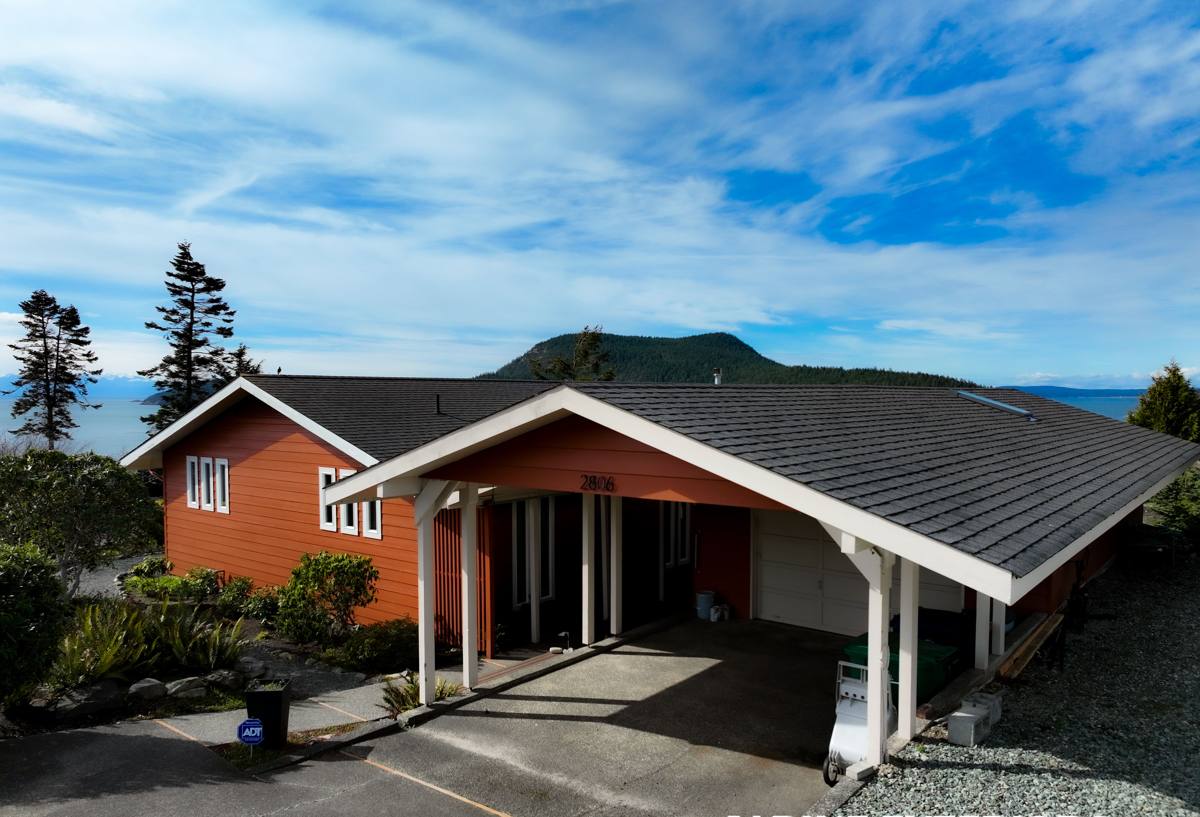
Edgemoor sits close enough to the water that homes here deal with a different set of exterior stresses than properties further inland in Whatcom County. Salt-laden air moves off Bellingham Bay and settles into fasteners, flashing, and any exposed metal on a roof or trim board. Add the wind-driven rain that comes through in fall and winter storms, plus the tree cover that keeps many lots shaded and damp for much of the year, and you get a textbook environment for moss, algae, and slow moisture intrusion. None of this is dramatic on its own — it's the cumulative effect over years that catches homeowners off guard.
We've worked on enough homes in this stretch of the county to know the pattern: north-facing walls and roof slopes that never fully dry out, gutters that clog faster because of surrounding trees, and exterior materials that were never really built for a marine-influenced climate showing their age well before their time. Sudden Valley Exterior Co handles siding, roofing, windows, and decks, and for Edgemoor specifically, we approach every one of those systems with moisture management and salt exposure as the starting point, not an afterthought.
What Coastal Moisture Actually Does to a Home
Moss and Algae Growth
Moss doesn't just sit on a roof looking unsightly — it holds moisture against shingles and underlayment, and over time it lifts shingle edges and shortens the life of the roof system. On siding, algae streaking on shaded, north-facing walls is one of the most common complaints we hear from homeowners in this area, and it's almost always tied to a combination of tree shade, limited sun exposure, and a siding material that doesn't shed moisture well.
Salt Air and Corrosion
Fasteners, flashing, and hardware that aren't rated for coastal exposure corrode faster near the bay. That corrosion is often invisible until a fastener fails or a flashing joint starts leaking behind the siding — by which point there's already hidden water damage. Using the right corrosion-resistant fasteners and flashing details isn't optional this close to the water; it's basic protection.
Wind-Driven Rain
Standard rain falls straight down and sheds off a properly lapped exterior easily. Wind-driven rain gets pushed sideways and upward under laps, around window edges, and into gaps that would otherwise stay dry. Homes in exposed or elevated spots around Edgemoor take this kind of weather more directly, and it's a major reason flashing details and window installation quality matter more here than in a sheltered inland lot.
Siding: Why We Only Install James Hardie
Sudden Valley Exterior Co installs James Hardie fiber cement siding exclusively. We don't install vinyl, LP SmartSide, Cemplank, Allura, primed spruce, or cedar, and that's a deliberate standard, not a limitation in what we're capable of doing. In a climate like Edgemoor's, the trade-offs of those other products show up faster than they would in a drier region.
Where Other Materials Fall Short Here
Vinyl siding can warp or buckle under sustained UV and temperature swings, and its seams give wind-driven rain more opportunities to find a way behind the cladding. Engineered wood products like LP SmartSide use wood strand technology that, while treated, still relies on maintaining an intact factory finish and sealed edges — any breach from moss growth, impact, or poor installation lets moisture into the substrate. Untreated or primed wood species like cedar or primed spruce look great initially but demand aggressive, ongoing maintenance in a moss-prone, high-moisture environment; refinishing cycles come faster and the margin for error on caulking and paint upkeep is thin.
What Hardie Does Differently
James Hardie fiber cement is non-combustible and dimensionally stable — it doesn't expand and contract with moisture the way wood-based products do, which matters when a wall is regularly damp from shade and rain. The ColorPlus factory finish is baked on and warranted separately from the substrate, which means the color layer is engineered to resist the fading and streaking that shaded, algae-prone walls are hardest on. Hardie's HZ5 product line is specifically engineered for cold, wet climates like the Pacific Northwest, and the company backs it with a strong, transferable limited warranty. We stand behind installation to spec — correct fastening, proper clearances, and flashing details suited to this climate — because siding is only as good as the install behind it.
Roofing for a Marine-Influenced Climate
A roof in Edgemoor works harder than a roof twenty miles inland. Moss growth on shaded slopes, gutter systems that need more frequent clearing because of surrounding tree cover, and flashing around chimneys, vents, and valleys that has to hold up against salt air all factor into how we approach roofing work here. We pay close attention to underlayment quality and valley/flashing details, since that's where wind-driven rain does the most damage when it's cut corners. Ventilation matters too — a roof deck that can't breathe properly traps moisture and accelerates rot from the underside, which is a slower and less obvious problem than moss on the surface but often more costly to repair.
Windows That Handle Wind and Rain, Not Just Look Good
Window failures in this kind of environment are rarely about the glass — they're about the installation. Flashing that isn't integrated correctly with the siding and building wrap lets wind-driven rain track behind the window frame, and that kind of leak can go undetected for a long time before it shows up as staining or soft trim inside. When we replace or install windows in Edgemoor, we treat flashing integration with the surrounding wall assembly as the priority, not a checkbox — because a well-built window installed poorly will leak just as fast as a cheap one.
Decks: Built to Handle Shade and Standing Moisture
Decks in wooded, shaded lots near the water deal with the same moss and algae pressure as roofs and siding, plus the added factor of standing water on horizontal surfaces. Proper board spacing, drainage under the deck structure, and using fasteners and hardware rated for damp, salt-influenced air all extend the life of a deck considerably. We also look at how a deck ties into the house — flashing where a ledger board meets the wall is a common point of hidden rot if it wasn't done correctly, especially on older homes that may have been built before current flashing standards were common practice.
Cost and Material Comparison
Homeowners weighing exterior materials for a coastal, moss-prone lot should understand how the common options actually perform over time, not just their upfront price. The table below reflects general, honest trade-offs — not brand-specific marketing claims.
| Material | Upfront Cost | Maintenance in Damp/Shaded Areas | Typical Longevity |
|---|---|---|---|
| Vinyl siding | Lower | Low maintenance but seams and warping issues in sustained wet/UV cycling | Moderate |
| Cedar / primed wood | Moderate | High — regular refinishing, caulking, and moss treatment needed | Shorter without diligent upkeep |
| Engineered wood (LP-type) | Moderate | Moderate — depends heavily on maintaining sealed edges and finish | Moderate |
| James Hardie fiber cement | Moderate to higher | Low — factory finish resists moisture and fading | Long, with strong transferable warranty |
The same logic applies to roofing materials, window frame types, and deck substructure choices: the cheaper option up front often carries a heavier maintenance and repair burden in a climate that doesn't let materials dry out for long stretches of the year.
Why a Local, Whatcom County Crew Matters
Exterior work in Edgemoor isn't the same job as exterior work on a dry, inland lot. A crew that works throughout Whatcom County regularly sees how moss establishes on shaded roof slopes, how salt air degrades hardware near the water, and how wind-driven storms push rain into places a standard installation wouldn't account for. That local pattern recognition shows up in small decisions — which fasteners to use, how tight to run flashing laps, where to expect the first signs of trouble on a north-facing wall — that a crew unfamiliar with this specific climate might not think to address.
A Practical Maintenance Checklist for Edgemoor Homes
- Clear gutters and downspouts more frequently if your lot has significant tree cover
- Check north-facing and shaded siding and roof areas annually for early moss or algae growth
- Have flashing around windows, chimneys, and deck ledger boards inspected periodically, not just when a leak appears
- Ask whether hardware and fasteners used on your home are rated for coastal, salt-air exposure
- Address moss on roofing promptly rather than letting it establish over multiple seasons
- Confirm your siding warranty covers both the substrate and the factory finish, not just one or the other
Get a No-Pressure Estimate
If you're dealing with moss buildup, staining, a leak you can't pin down, or you're just planning ahead for an exterior project on your Edgemoor home, we're happy to take a look and give you an honest read on what's going on and what it would take to fix it right. Reach out for a free estimate — no pressure, no upsell, just a straightforward assessment from a crew that works in this climate every day.