 Sudden Valley Exterior
 Windows Built for the Cordata Climate
Homes in and around Cordata sit close enough to the water and the foothills that they take on a mix of weather most window manufacturers never design for by default: wind-driven rain off the Sound, long stretches of damp, low-light winter months, and a moss and algae season that can run eight months out of the year. Whatcom County's climate is mild compared to a lot of the country, but "mild" doesn't mean easy on a window assembly. It means constant low-grade moisture exposure, which is a different and in some ways harder problem than a hard freeze or a hot, dry summer.
Custom windows for this area need to do three things well: keep water out under sustained wind-driven rain (not just a downpour, but hours of horizontal drizzle), resist the buildup of moss, algae, and mildew on sills and tracks, and hold their seal through repeated wet-dry cycling without the frame swelling, sticking, or the seals failing early. A window that's fine in a drier climate can start showing problems here inside a few years — fogging between panes, soft spots in wood sills, tracks that won't glide because of grime buildup, or drafts that show up specifically during storms.
What "Custom" Actually Means Here
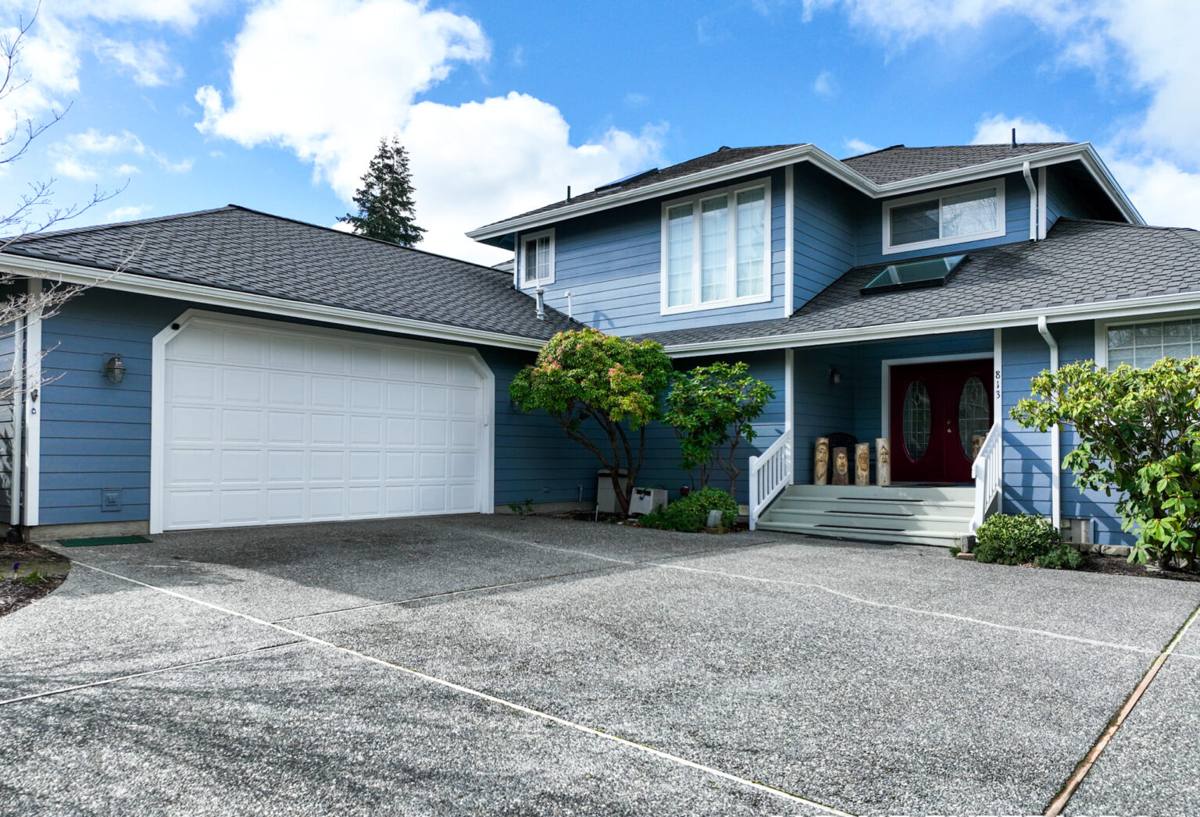
Custom doesn't just mean a non-standard size, though that matters — a lot of homes in this part of Whatcom County have older, non-stock rough openings, especially anything built before standardized window sizing became common. Custom also means matching the window to the specific exposure of that wall. A window on the weather-facing side of a house (typically west or southwest here, where storms come off the water) needs a different sealing and flashing approach than a sheltered window on the lee side of the same house.
Factors we account for on every job
- Which direction the wall faces and how much direct wind-driven rain it takes in a typical winter storm
- How much shade and moisture the area around the window holds onto (tree cover, siding type, whether moss already shows on nearby trim)
- The condition of the existing rough opening — rot, soft framing, or old flashing that needs to be corrected before a new window goes in, not covered up
- Frame material trade-offs for a marine-influenced climate versus a drier inland setting
- Whether the home's existing window sizes are standard or require a true custom build
Frame Materials: What Holds Up Locally
There's no single "best" window material everywhere — the right choice depends on exposure, budget, and how much maintenance a homeowner actually wants to do. Here's how the common options perform under this area's rain-and-moss conditions specifically.
| Material | How it handles local moisture | Maintenance | Typical trade-off |
|---|---|---|---|
| Vinyl | Doesn't rot or corrode; performs consistently through wet-dry cycling | Low — occasional cleaning of tracks and weep holes | Fewer color/finish options than wood or fiberglass |
| Fiberglass | Very stable dimensionally, resists swelling from repeated moisture exposure | Low | Higher upfront cost |
| Wood (clad exterior) | Good if the exterior cladding is fully sealed; exposed wood is a poor fit for this climate | Higher — exterior clad joints and interior wood need periodic inspection | Best interior appearance, but least forgiving of a missed maintenance year |
| Aluminum | Conducts cold and can condense/streak in our damp winters; largely fallen out of favor for this reason | Moderate | Lower cost, but condensation issues are common in this climate |
We don't push one brand or material on every job. We'll tell you honestly which option fits the specific wall, the specific budget, and how much upkeep you're willing to sign up for — that's a more useful conversation than a sales pitch for whatever we happen to stock.
Where Moss and Algae Actually Cause Window Problems
Moss doesn't grow on the glass, but it absolutely grows on and around window components — sills, exterior trim, tracks, and weep holes — anywhere shaded and damp enough to hold moisture. Left alone, that growth does two things: it holds water against wood or composite trim longer than it would otherwise sit, and it can physically clog weep holes, which are the small drainage points built into a window's frame to let rainwater that gets past the outer seal drain back out instead of pooling inside the frame.
A correctly installed window has a defined drainage path. If that path gets blocked by moss, debris, or paint overspray from a past repaint, water that should drain out instead sits against the sill or works its way toward the interior. This is one of the more common causes of window rot we see on service calls in this area, and it's rarely the window's fault — it's a maintenance gap combined with a climate that doesn't give trim much chance to fully dry out between rain events.
Simple habits that extend window life here
- Clear visible moss or debris from sills and tracks a couple times a year, especially going into fall
- Check that weep holes along the bottom of the frame are open and draining, not sealed shut by old caulk or paint
- Keep gutters and downspouts clear so runoff isn't sheeting directly across upper-story windows
- Repaint or reseal exterior wood trim before it shows bare wood, not after
- Have a contractor check flashing and caulking every few years rather than waiting for a visible leak
What a Correct Installation Involves
The window unit itself is only part of the job. In this climate, the installation details matter as much as the product — a good window installed without proper flashing will leak eventually, and a mediocre window installed correctly will usually outperform it.
The parts of the job that actually determine long-term performance
- Opening inspection: checking the rough opening for rot, soft wood, or prior water damage before anything new goes in — installing over a compromised opening just hides a bigger problem
- Flashing and water management: integrating the new window's flashing with the existing house wrap or building paper so water sheds down and out, not behind the siding
- Sealing: using sealant products rated for sustained UV and moisture exposure, applied at the right points — over-sealing (caulking everything, including weep holes) is almost as bad as under-sealing
- Insulation at the gap: filling the space between the window frame and rough opening properly so there's no gap for air or moisture infiltration, without over-packing material that can bow the frame
- Interior and exterior trim-out: finishing the job so water sheds away from the opening on the outside and the interior is properly sealed against drafts and condensation
Skipping or rushing any one of these is how a window that looks fine on day one starts showing soft trim or interior staining two winters later.
Our Process for a Cordata-Area Window Job
We keep the process straightforward because most homeowners have been through a confusing quote process before and don't want another one.
- On-site assessment: we look at the actual openings, note exposure direction, existing frame condition, and any signs of past moisture issues before recommending anything
- Honest scope and options: we'll tell you if a window can be a straight replacement (same size, same opening) or if it needs a full frame-out due to rot or a non-standard opening — those are very different jobs and very different costs
- Written estimate: a clear breakdown, not a vague lump sum, so you know what you're paying for the unit versus the labor and any repair work
- Installation: proper flashing, sealing, and insulation as outlined above — not just setting the unit and caulking the outside edge
- Walkthrough: we go over operation, drainage, and basic maintenance before we consider the job done
Why a Crew That Already Works This Area Matters
A contractor who works Whatcom County regularly already knows which wall orientations take the worst weather in a given neighborhood, which older home styles tend to have non-standard openings, and what a normal amount of moss growth looks like versus a sign of a bigger drainage problem. That local pattern recognition shortens the assessment and avoids guesswork. It also means we're not learning the region's climate behavior on your house — we've already seen how these conditions play out on similar homes nearby, and we build the install accordingly rather than applying a generic approach and hoping it holds up through the first real storm season.
Cost Factors Worth Understanding Before You Get a Quote
We don't publish fixed prices because window jobs vary too much house to house, but these are the factors that actually move the number, so a quote makes sense when you get one:
| Factor | Why it affects cost |
|---|---|
| Standard vs. custom size | Custom-built units cost more than stock sizes and take longer to order |
| Frame material | Vinyl, fiberglass, and clad wood carry different unit costs and different labor needs |
| Opening condition | Rot repair or reframing adds labor beyond the window installation itself |
| Number and location of openings | Second-story or hard-to-access windows take more time and equipment |
| Existing exterior condition | Trim, siding, or flashing repairs needed around the opening add to scope |
If you're weighing custom window replacement for a home in the Cordata area near Sudden Valley, we're happy to take a look and give you a straight assessment — no pressure, no inflated scope. Use the form below to request a free estimate and we'll go from there.