 Sudden Valley Exterior
 Asphalt Shingle Roofing Built for Acme's Climate
Acme sits in one of the wetter, greener corners of Whatcom County, and that combination of heavy rainfall, dense tree cover, and a marine-influenced climate is hard on roofs. Asphalt shingle roofing remains the most practical choice for most homes here — it's durable, cost-effective, and repairable in sections rather than requiring a full tear-off every time something fails. But "asphalt shingles" covers a wide range of products and installation quality, and what works on a dry-climate roof isn't automatically right for a roof that spends half the year damp.
Homes around Acme deal with driving rain that gets pushed sideways under poorly sealed shingle edges, long stretches of shade from surrounding trees that keep roof surfaces from ever fully drying out, and a moss season that can run from fall through spring. Add in the periodic salt-tinged air that moves through this part of western Washington and you get a roofing environment that punishes shortcuts — cheap underlayment, skipped flashing details, and poor attic ventilation all show up as problems within a few years instead of a few decades.
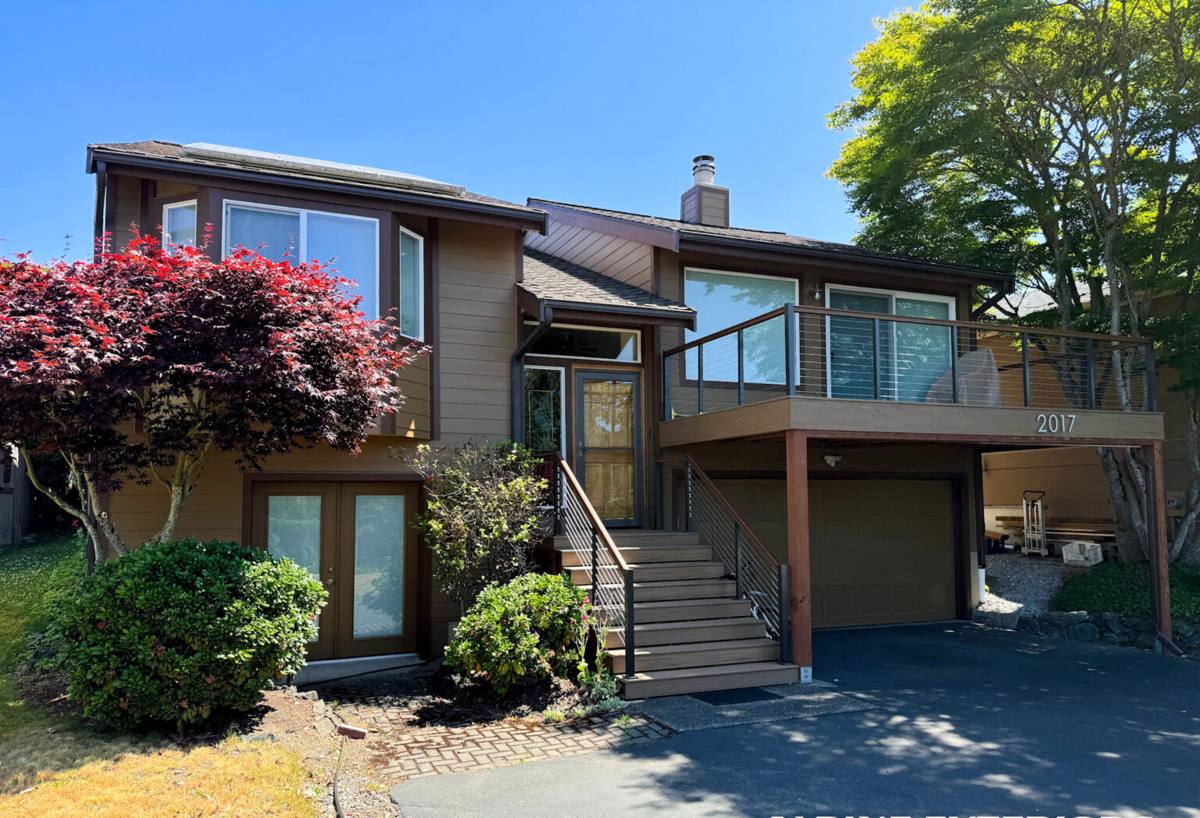
What "Correct" Actually Means on This Type of Roof
A shingle roof is a system, not a single product. The shingles themselves get the attention, but the layers underneath and around them are what actually keep water out over the long run. A correct install in this climate includes:
- A synthetic underlayment (or ice-and-water shield in valleys and eaves) that stays watertight even when shingles are saturated for days at a time
- Properly lapped and step-flashed intersections at walls, chimneys, and skylights — the single most common source of leaks we find on older roofs
- Correct nailing pattern and placement, since underdriven or overdriven nails are a leading cause of premature shingle failure in wind and rain
- Balanced intake and exhaust ventilation so moist attic air isn't condensing on the underside of the roof deck
- Drip edge and gutter apron detailing that actually sheds water away from the fascia instead of behind it
None of this is exotic. It's standard trade practice done properly, every time, instead of only when it's convenient. On a roof that's exposed to as much sustained moisture as Acme sees, skipping any one of these steps shortens the roof's usable life considerably.
Why Flashing Gets More Attention Here
Flashing failures rarely announce themselves right away. Water finds its way in slowly, tracks along framing, and shows up as a stain or soft spot somewhere well away from the actual entry point. In a climate with this much sustained rainfall, we treat flashing detail work — not just shingle selection — as the part of the job that determines whether a roof performs for its full expected lifespan.
Choosing a Shingle Product for Whatcom County Weather
Not every asphalt shingle is built the same way, and the differences matter more in a wet, shaded climate than they would somewhere dry. The table below is a general comparison of the shingle classes most homeowners in this area choose between.
| Shingle Type | Typical Lifespan | Wind Rating | Moss/Algae Resistance |
|---|---|---|---|
| 3-Tab Asphalt | 15–20 years | Lower (60–70 mph) | Standard granules only |
| Architectural/Laminate | 25–30 years | Higher (110–130 mph) | Often available with algae-resistant granules |
| Impact-Resistant (Class 4) | 25–30+ years | Higher, plus impact rating | Usually includes algae-resistant granules |
For most homes in and around Acme, we lean toward architectural shingles with algae-resistant (copper- or zinc-infused) granules. They shed water more effectively due to their thicker profile, hold up better to wind gusts that come through the valley, and resist the dark streaking that moss and algae growth causes on shaded, north-facing slopes. 3-tab shingles are still a reasonable option on a budget or for a secondary structure, but on a primary residence with tree cover, the extra upfront cost of architectural shingles usually pays for itself in reduced maintenance and a longer service life.
Moss, Ventilation, and Why Roofs Fail Early in This Area
Moss is the most visible sign of a roof under stress in this region, but it's rarely the actual cause of failure — it's a symptom. Moss needs shade, organic debris, and sustained moisture to establish itself, and a roof with poor airflow underneath dries out more slowly than one with correct ventilation, which gives moss and moisture more time to work into the granule surface and eventually the felt or deck underneath.
We check attic ventilation as a standard part of any shingle roofing job in this area, not as an upsell. Balanced intake at the soffits and exhaust at the ridge keeps the roof deck closer to outdoor temperature and humidity, which reduces both moss growth on the outside and condensation problems on the inside. A roof that's shedding water correctly and breathing correctly will simply last longer, regardless of which shingle brand is on it.
Trees, Shade, and Debris
Overhanging branches and needle/leaf litter are common around Acme properties, and they're one of the biggest drivers of moss growth and premature granule loss. We're not going to tell a homeowner to clear-cut their property, but trimming back branches that shade a roof section or drop debris directly onto it is one of the most cost-effective things an owner can do between roofing jobs.
Our Process, Start to Finish
- On-site assessment — We look at the existing roof, attic ventilation, flashing points, and any signs of moisture damage before quoting anything.
- Written estimate — Scope, materials, and a realistic timeline, with options at different price points explained honestly rather than upsold.
- Tear-off and deck inspection — Old roofing comes off down to the deck so we can check for soft spots, rot, or damaged sheathing before anything new goes down.
- Underlayment and flashing — Ice-and-water shield at vulnerable areas, synthetic underlayment across the field, new flashing at every wall, chimney, and vent penetration.
- Shingle installation — Correct nailing pattern, proper exposure, and attention to valleys, hips, and ridge lines.
- Ventilation check — Intake and exhaust venting confirmed or corrected as part of the job, not billed as a surprise add-on later.
- Cleanup and magnetic sweep — Job site and surrounding yard cleared of debris and stray nails before we consider the job finished.
Repair or Replace? What We Actually Look At
Not every roof issue in Acme means a full replacement, and we'd rather give an honest repair recommendation than push a bigger job than the roof needs. Here's what factors into that decision:
- Age of the roof relative to its shingle type's expected lifespan
- How widespread the damage or moss coverage is versus isolated to one slope or valley
- Condition of the roof deck once we can actually see it — soft or spongy areas usually mean water has been getting in longer than it looks from the ground
- Whether flashing failures are the root cause (often repairable) versus granule loss and shingle brittleness across the whole roof (usually not)
- Number of prior repairs or layers already on the roof, since some roofs have been patched past the point where another patch makes sense
If a roof is under roughly 10–12 years old and the problem is isolated — a flashing leak, a section of wind-lifted shingles, storm damage to one slope — repair is often the right call. Beyond that, especially with widespread moss, curling, or granule loss, replacement tends to be the more cost-effective long-term decision.
Why Working With a Crew That Already Knows Acme Matters
Roofing crews that work this area regularly already understand what a Whatcom County winter does to a roof — the wind patterns through the valley, how long moisture sits on shaded slopes, and which flashing details tend to fail first on local homes. That's not something you get from a general contractor passing through the county for a one-off job. It also means faster response for warranty callbacks, storm damage checks, or a question that comes up six months after installation — we're not driving in from out of the area.
Permitting and inspection requirements can vary by jurisdiction even within Whatcom County, and a crew that regularly pulls permits in this area knows the process rather than learning it on your project.
Maintaining a New Roof in a Wet Climate
A correctly installed asphalt shingle roof in this area still benefits from basic upkeep:
- Keep gutters clear so water isn't backing up under the shingle edge or drip edge
- Trim back branches that shade the roof or drop debris directly onto it
- Have moss growth treated early rather than letting it establish and lift granules over multiple seasons
- Schedule a periodic visual check after major windstorms, since lifted or missing shingles are easiest to fix before the next rain gets underneath them
None of this requires a maintenance contract or frequent professional visits — it's mostly common sense, done consistently, in a climate that doesn't forgive neglect the way a drier region would.
If you're dealing with an aging roof, visible moss, or you're just planning ahead for a home in the Acme area, we're happy to take a look and give you a straightforward, no-pressure estimate. Fill out the form below and we'll get back to you.