 Sudden Valley Exterior
 Windows Built for Yew Street's Weather, Not a Catalog Average
Homes along Yew Street sit in one of the tougher microclimates a window has to survive in Whatcom County. You've got Lake Whatcom humidity holding moisture against the house for days at a stretch, wind-driven rain coming sideways off the water during fall and winter storms, and a moss season that runs long enough to keep north-facing walls damp well into what should be dry months. A window that's rated fine for a sheltered subdivision in a drier part of the state can still underperform here, not because it's a bad product, but because it wasn't installed with this specific exposure in mind. That's the gap we work to close on every Yew Street job.
This page is specifically about window replacement for Yew Street — not a general overview of every service we offer. If you're on this street or nearby in Sudden Valley, here's what actually matters for your project.
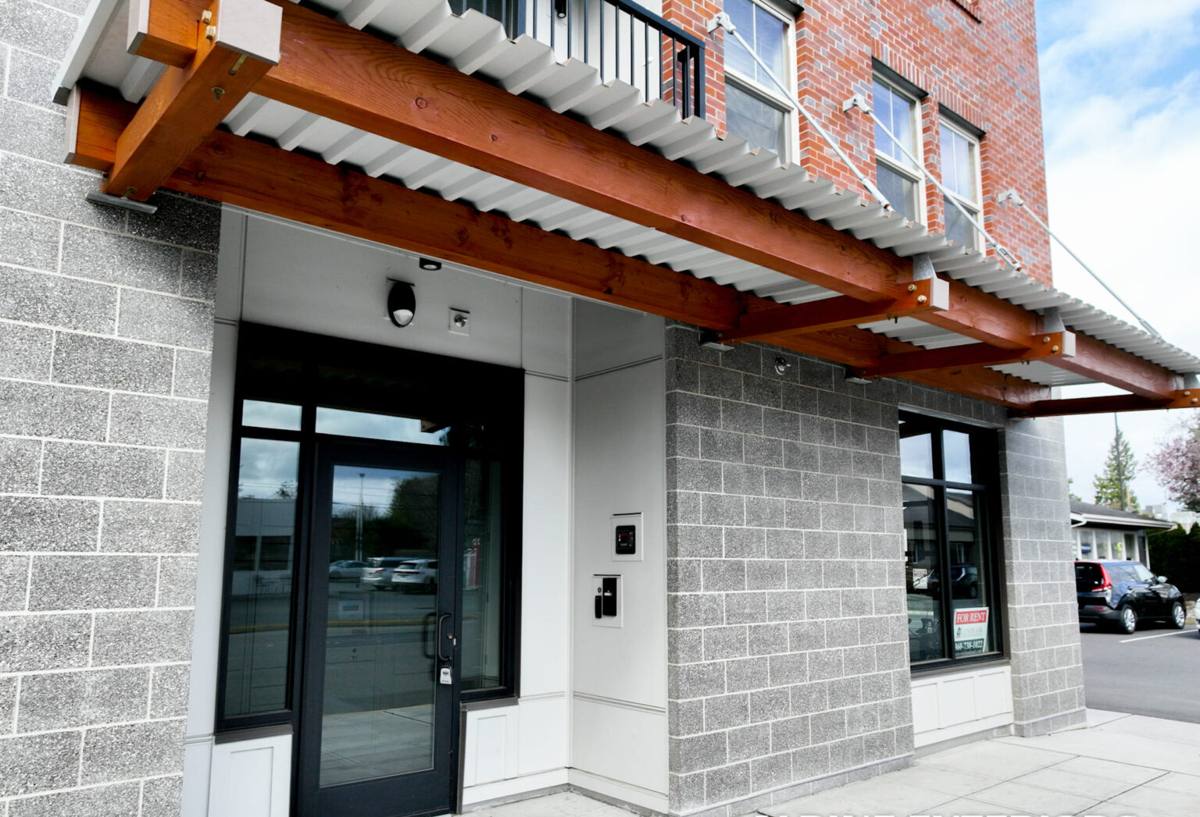
What the Local Climate Does to Windows Over Time
Moisture Intrusion
The biggest long-term threat to a window in this part of Whatcom County isn't the glass — it's what happens at the frame and the flashing. Sustained damp weather means water sitting against sill pans and jamb flashing for extended periods rather than a quick storm and a dry-out. If a window was installed without proper flashing integration into the wall's water-resistive barrier, water finds a path inward slowly, often showing up as soft trim or interior staining a year or two later, long after the installer is gone.
Wind-Driven Rain
Storms coming off Lake Whatcom and the surrounding terrain don't just fall straight down — they push rain horizontally into the wall assembly. That means the water-resistance rating of the window unit matters less than how well the perimeter seal and flashing shed that water back out rather than let it pool.
Moss, Algae, and Trapped Damp
A long moss season means shaded exterior surfaces stay wet longer, and that dampness can wick into frame material and sill areas if drainage paths are blocked or poorly designed. Vinyl and properly clad materials handle this fine; bare or under-protected wood sills are where we see the most deterioration.
Salt Air
Being inland from saltwater doesn't fully spare a home from salt-laden air moving through the county, and it accelerates corrosion on hardware, screws, and unprotected metal components. Cheaper fasteners and hardware show pitting and failure years before a quality-grade component would.
What a Correct Window Replacement Actually Involves
Swapping in a new window is the easy part. The work that determines whether it lasts happens around the opening, and it's where corner-cutting shows up years later as a callback nobody wants.
- Remove the old unit and inspect the rough opening framing and sheathing for rot or soft spots before anything new goes in
- Repair or replace any compromised framing — never install a new window over damaged substrate
- Install or renew sill pan flashing so any water that does get in has a path back out
- Integrate new flashing with the existing water-resistive barrier in the correct shingle-lap order (top layer over the one below, so water always sheds outward and down)
- Set the window level, plumb, and square, then fasten per manufacturer spec — not just "close enough"
- Insulate the gap between frame and rough opening properly, without overpacking, which can bow the frame
- Seal the exterior perimeter with a compatible sealant, leaving the correct weep points open
- Finish interior trim and confirm proper operation before calling the job done
Skip any one of those steps and the window can look fine for a couple of dry summers before a wet Whatcom County winter finds the weak point.
Signs a Yew Street Home May Need Replacement Now
| What You Notice | What It Usually Means |
|---|---|
| Fogging or moisture between glass panes | Failed seal on a double- or triple-pane unit — the gas fill is gone and it won't clear up on its own |
| Soft or discolored trim below the window | Water has been getting past the flashing or sill for a while |
| Drafts you can feel even with the window closed | Worn weatherstripping or a frame that's no longer sealing properly |
| Window is hard to open, close, or lock | Frame has shifted, swelled, or the hardware has corroded |
| Visible moss or dark staining at the sill or corners | Chronic damp exposure — worth checking framing behind it |
| Noticeably colder near the window in winter | Aging glass or a compromised seal losing insulating value |
When Repair Still Makes Sense
Not every window on the street needs full replacement. A single failed seal, worn weatherstripping, or a sticking sash can often be repaired for a fraction of replacement cost if the frame and surrounding wall are otherwise sound. We'll tell you honestly when that's the better call — a full-house replacement isn't the right recommendation just because it's a bigger job.
How Our Process Works
1. On-Site Assessment
We walk the exterior and interior of each window in question, checking for the moisture and framing issues described above, not just measuring for a quote. This is where we catch problems a phone estimate would miss entirely.
2. Straightforward Proposal
You get a written scope covering what's being replaced, what flashing and sealing work is included, and a realistic cost range — no vague allowances that turn into surprise add-ons mid-project.
3. Material Selection
We'll talk through frame material, glazing options, and hardware given your specific exposure on the property — a shaded, north-facing wall gets different attention than a sun-exposed south side.
4. Careful Removal and Installation
Old units come out cleanly, framing gets inspected and repaired as needed, and the new window goes in with full flashing integration — the step most responsible for long-term performance in this climate.
5. Cleanup and Walkthrough
We test operation, confirm the finish work is clean, and walk you through what was done before we consider the job finished.
Material and Product Considerations for This Area
We don't push one brand as a universal answer, because the right choice depends on the specific wall, sun exposure, and budget. That said, a few general trade-offs come up constantly in Whatcom County work:
- Vinyl frames handle sustained moisture well and need little maintenance, which suits a climate with a long damp season — the trade-off is less design flexibility for very large or custom openings.
- Fiberglass frames resist warping and expansion well across our temperature swings and hold paint finishes longer, generally at a higher upfront cost.
- Wood-frame windows, even clad ones, need more diligent maintenance in a damp, mossy environment — we're honest with clients that this is a higher-upkeep choice here, not a defect in the product itself.
- Glazing packages (double vs. triple pane, low-E coatings) affect both energy performance and condensation resistance — worth discussing room by room rather than picking one spec for the whole house.
Whatever material you choose, we install to the manufacturer's flashing and fastening specifications — that's what keeps the warranty valid and, more importantly, what actually keeps water out.
Why Hiring a Crew That Already Works Yew Street Matters
A crew that's replaced windows elsewhere in Sudden Valley already knows how the terrain, tree cover, and lake-effect moisture behave on this side of the county — which walls tend to stay damp longer, where moss builds up fastest, and how wind-driven rain typically hits a given orientation. That's not something you can fully account for from a generic install checklist written for a different climate. It also means less guesswork on permitting, material lead times for this area, and matching work to what neighboring homes already have in place.
Planning and Budget Factors
| Factor | Why It Affects Cost or Timeline |
|---|---|
| Number of windows | Per-unit cost typically drops on larger multi-window jobs |
| Frame material chosen | Vinyl, fiberglass, and wood-clad carry different price points |
| Condition of existing framing | Rot or water damage found during removal adds repair time and cost |
| Window size and configuration | Custom shapes or larger openings cost more than standard sizes |
| Access and site conditions | Second-story or hard-to-reach windows take longer to install safely |
| Season of installation | Wetter months require more weather management during the open-wall period |
A Few Things Worth Asking Any Contractor Before You Sign
- Will you inspect and repair the framing if it's damaged, or just install over it?
- What's included in the flashing and sealing scope, specifically?
- What's the manufacturer's warranty, and does your installation method keep it valid?
- How do you handle a wall that's open to weather mid-installation if it starts raining?
- Can you walk me through why you're recommending this material for this particular wall?
If a contractor can't answer those clearly, that's worth noting before work begins.
If you're weighing window replacement for a home on or near Yew Street, we're glad to come take a look and give you a straightforward assessment — no pressure, no obligation. Use the form below to request a free estimate.