 Sudden Valley Exterior
 Sehome Siding Faces a Specific Kind of Weather
Homes in and around Sehome deal with a version of Pacific Northwest weather that's tougher on exterior surfaces than most homeowners realize until they're standing in front of a siding problem. Whatcom County sits close enough to the water that salt-tinged air is a regular visitor, and the region's rain doesn't just fall straight down — wind pushes it sideways into walls, trim, and every gap a builder left a little too loose. Layer on the tree cover common around Sudden Valley and the Lake Whatcom corridor, and you get long stretches of shade and dampness that never quite dry out between storms. That combination is exactly what feeds moss and algae growth on siding, and it's why a siding system that looks fine in a showroom can fail early on a shaded, wind-exposed lot here.
None of this means siding is doomed in Sehome. It means the material choice and the installation details matter more here than they would in a drier, calmer climate. That's the lens we bring to every replacement job in this area.
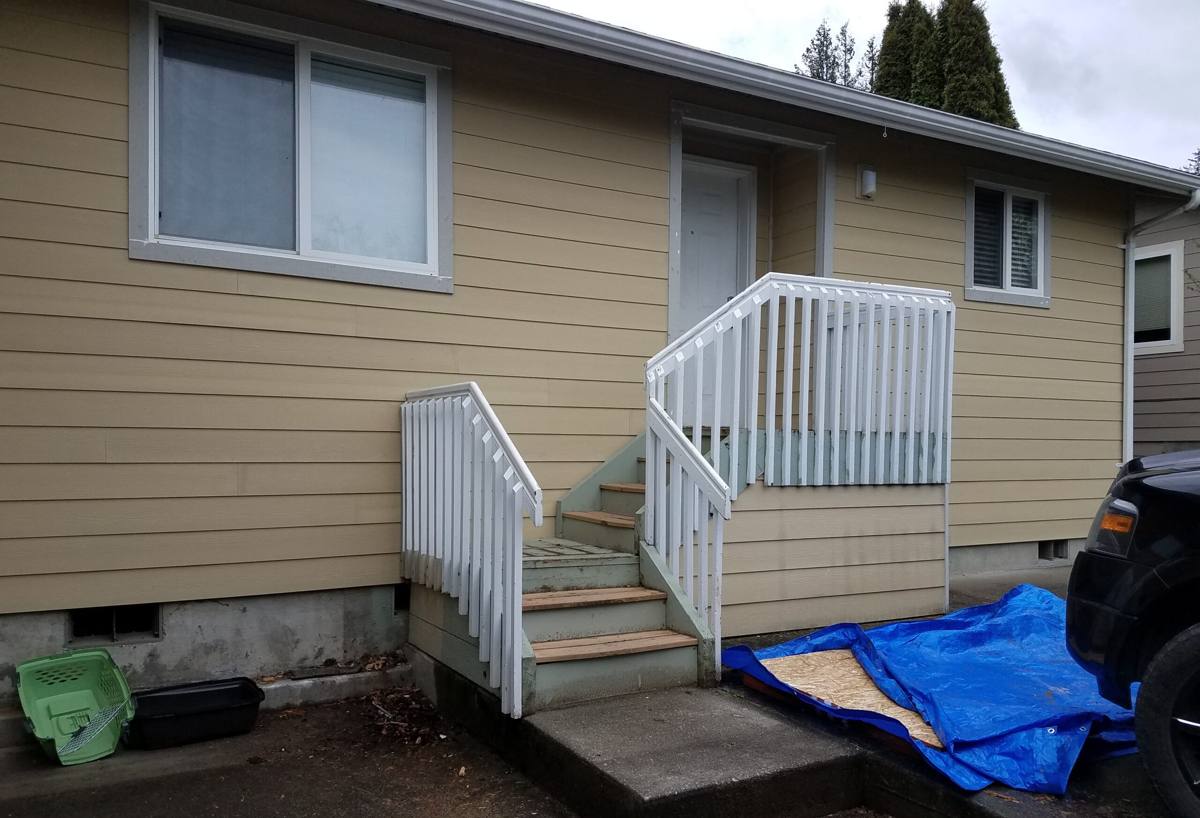
Signs a Sehome Home Needs Replacement, Not Just Repair
Siding problems tend to hide in plain sight. A board can look intact from the sidewalk while it's already failing underneath. Before you decide between a patch job and a full replacement, walk your exterior and check for these signs:
- Soft, spongy, or crumbling spots when you press on the siding, especially near the bottom courses and around windows
- Paint that won't hold anymore, even after a fresh coat — often a sign moisture is moving through the material
- Moss or dark algae staining that comes back within a season or two of cleaning
- Visible cracking, warping, or buckling boards, particularly on north- and west-facing walls that get the most driving rain
- Gaps opening up at trim, corners, or seams where caulk has failed
- Rooms that feel drafty or hard to keep warm in winter, which can point to a failing weather barrier behind the siding
- Siding older than 20–25 years, especially wood-based or older composite products that weren't engineered for this climate
One or two of these on their own might mean a repair. Several together, especially combined with age, usually mean the siding system itself has reached the end of its useful life and a full replacement is the more honest recommendation.
Why We Only Install James Hardie Fiber Cement Here
We've made a deliberate choice to install one siding system: James Hardie fiber cement. We don't install vinyl, LP SmartSide, cedar, or other engineered wood or composite products, and we think homeowners deserve to know why before they sign a contract with anyone.
Vinyl is inexpensive and low-maintenance in mild, dry climates, but it expands and contracts more with temperature swings, can crack in cold snaps, and doesn't hold up as well against the kind of sustained wind-driven rain Whatcom County sees. Wood-based engineered siding and real cedar both look good going up, but they're organic materials at their core — meaning moisture, the thing Sehome has no shortage of, is exactly what they're most vulnerable to over time. Manufacturers of those products have made real improvements over the years, and there are situations where they perform reasonably well. But on the shaded, damp lots common near Sudden Valley and Lake Whatcom, we've seen enough long-term moisture and moss problems on wood-based products to no longer recommend them, regardless of brand.
Fiber cement is different at the material level — it's cement, sand, and cellulose fiber, which means it doesn't feed rot the way wood-based products can, and it holds paint and factory finish far longer. Here's how the options stack up on the factors that matter most for this climate:
| Factor | Vinyl | Wood-Based / Engineered Wood | Cedar | James Hardie Fiber Cement |
|---|---|---|---|---|
| Moisture resistance | Good, but seams can trap water | Moderate — vulnerable if coating fails | Moderate — needs consistent upkeep | Strong, engineered for wet climates |
| Moss / algae resistance | Moderate | Lower once surface wears | Lower without regular treatment | Strong with factory-cured finish |
| Fire resistance | Melts/deforms under heat | Combustible | Combustible | Non-combustible core |
| Typical repaint interval | N/A (not painted) | Every 5–8 years | Every 3–5 years | 15+ years with ColorPlus finish |
| Warranty structure | Varies widely by brand | Varies, often prorated | Typically none from manufacturer | Long-term, transferable |
James Hardie also builds its products by climate zone, and homes in this part of Washington fall into the wetter HZ5 engineering category, meaning the boards are formulated with moisture and cold performance for exactly this kind of weather in mind — not a generic national spec.
What a Correct Installation Involves
Moisture Management Comes First
The siding itself is only as good as what's behind it. A correct install starts with a weather-resistant barrier over the sheathing, properly lapped and sealed, with flashing integrated at every window, door, and roof-to-wall transition. On walls that take the brunt of driving rain, we pay extra attention to drainage detailing so water that gets past the siding has somewhere to go instead of sitting against the wall.
Fastening and Clearances
Fiber cement has to be fastened according to the manufacturer's spec — the right nail type, spacing, and depth matter for both performance and warranty coverage. Ground clearance, gaps at trim for caulk to do its job, and correct overlap between courses all affect how well the wall sheds water over the next few decades, not just the next few years.
Finish and Long-Term Appearance
James Hardie's ColorPlus factory finish is baked on and warrantied against fading and peeling, which matters in a climate where field-applied paint tends to fail faster than it would somewhere drier. We install to preserve that finish rather than compromising it with sloppy caulk lines or exposed cut edges.
What We Check Before Any Estimate Is Final
- Condition of the sheathing underneath the current siding
- Extent of moisture damage, if any, around windows, doors, and roof lines
- Which walls take the most direct wind-driven rain and need extra flashing attention
- Existing trim, soffit, and fascia condition
- Whether shade and tree cover near the home will affect drying time and future moss growth
Our Process for Sehome Homeowners
- On-site inspection and moisture check, including a look at the sheathing once we can see behind the existing siding
- Tear-off of old siding and repair of any damaged sheathing or framing found underneath
- Installation of a new weather-resistant barrier and flashing at all penetrations
- Installation of James Hardie fiber cement siding per manufacturer specification for our HZ5 climate zone
- Trim, caulking, and any touch-up work, followed by full site cleanup
- Final walkthrough with the homeowner and warranty registration
We don't shortcut the inspection step. Covering up a moisture problem with brand-new siding just means it resurfaces later, out of sight, which is worse for the homeowner than dealing with it up front.
Why a Crew That Already Works Sudden Valley and Sehome Matters
Siding performance in this climate isn't just about the product — it's about installation details tuned to how weather actually hits a specific property. A crew that regularly works in and around Sudden Valley already knows which wall orientations take the worst of the driving rain, how shaded, tree-covered lots near Lake Whatcom tend to hold onto moss and moisture longer than open lots, and how local permitting and inspection expectations work. That familiarity shows up in fewer surprises during the project and fewer callbacks after it — not because of any secret technique, but because the crew isn't guessing at conditions they've never dealt with before.
Cost Factors in a Sehome Siding Project
We don't publish blanket per-square-foot pricing because it genuinely depends on the specifics of the home, but these are the factors that move a project's cost up or down:
| Factor | Why It Matters |
|---|---|
| Total square footage of siding | Larger wall area means more material and labor |
| Condition of sheathing underneath | Rot or moisture damage found during tear-off adds repair work |
| Trim and architectural detail | Corners, dormers, and multiple rooflines take more time to flash and finish correctly |
| Siding profile and plank width | Different Hardie profiles and reveal widths affect material cost and install time |
| Story height and access | Second stories and tight lots require more scaffolding or lift equipment |
| Color and finish choice | Factory ColorPlus finish versus field-applied paint affects both cost and long-term maintenance |
The only way to get a real number is a site visit — we'll walk the exterior, note the condition of what's underneath where possible, and give you a written scope before any work starts.
Maintaining Your New Siding
Moss and Algae Control
Even the best siding benefits from a little upkeep in a moss-prone climate. A gentle rinse once or twice a year, especially on shaded north-facing walls, keeps growth from taking hold. Trimming back vegetation near the house improves airflow and cuts down on the damp conditions moss needs to spread.
Caulk and Trim Checks
Caulk joints and trim seams are the first place small problems show up. A quick annual look, especially after the wetter winter months, catches gaps before they let water behind the siding.
If your Sehome home's siding is showing its age, or you just want an honest read on what's underneath it, we're happy to take a look. Reach out for a free, no-pressure estimate — the form below gets you started.