 Sudden Valley Exterior
 Window Replacement in Deming Isn't a One-Size-Fits-All Job
Deming sits in a part of Whatcom County where old-growth tree cover, river-bottom moisture, and long stretches of overcast weather all work on a house at the same time. A window that's failing here usually isn't failing for one simple reason — it's usually a combination of age, wood movement, and years of moisture finding its way in through a seal that was never quite right to begin with. Replacing windows in this area means understanding how the local climate actually behaves against a wall, not just swapping old glass for new.
We work throughout Sudden Valley and the surrounding Whatcom County communities, and Deming has its own quirks worth calling out specifically. Homes tend to be shaded more of the day, sit closer to tree lines, and see less direct sun to dry things out between rain events. That changes how windows should be installed, flashed, and maintained compared to a home out in the open.
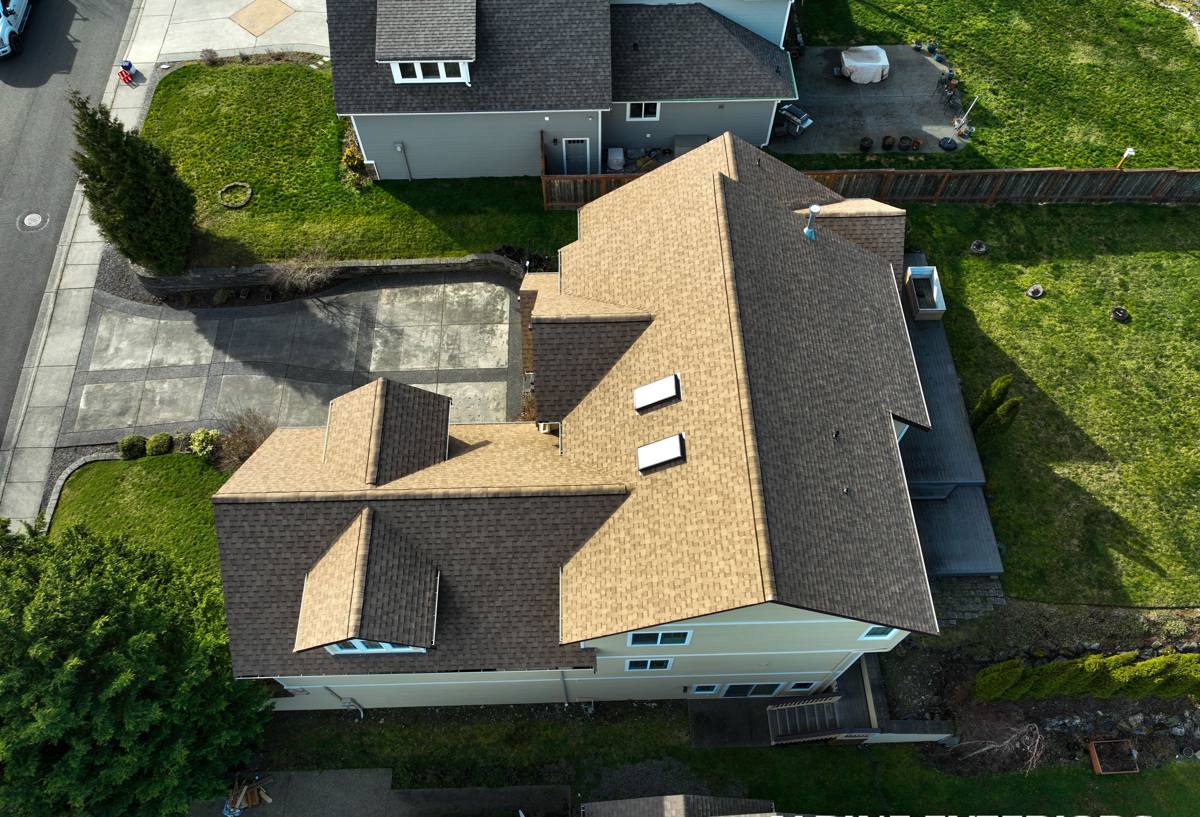
What the Local Climate Does to Older Windows
Driving Rain and Wind-Driven Moisture
Whatcom County doesn't just get rain — it gets rain pushed sideways by wind coming off the foothills and the Sound. Older windows, especially single-pane or early double-pane units from the 80s and 90s, were rarely detailed with the kind of flashing and drainage planes we use today. Over time, wind-driven rain finds the gaps around the frame, and once water gets behind trim or siding, it doesn't leave quickly.
Moss, Shade, and Slow Drying
A long moss season isn't just a roof problem. Shaded window sills, north-facing frames, and areas near tree cover stay damp longer between storms, which gives wood rot, mildew, and failed seals more time to develop. If you've noticed green growth building up on a sill or in the corner of a frame, that's a sign the area isn't drying out the way it should — and that's often the first visible clue that moisture is getting past the glass itself.
Salt-Tinged Air and Slow Corrosion
Weather systems moving in off the Sound carry a mild salt content that settles on hardware, hinges, and metal window components over the years. It's a slower process than you'd see right on the waterfront, but it still adds up — stiff cranks, corroded balances, and hardware that no longer locks tight are common complaints on windows that are otherwise structurally fine.
Signs a Deming Home Actually Needs Replacement
Not every drafty window needs full replacement — sometimes a re-seal or new weatherstripping solves it. Here's what actually points to replacement rather than repair:
- Fog or moisture trapped between panes (the seal has failed and can't be fixed)
- Soft or spongy wood at the sill, corners, or bottom rail
- Windows that won't stay open, won't latch, or have warped out of square
- Visible daylight or a draft you can feel around the frame with the window closed
- Condensation forming on the inside of the glass regularly through fall and winter
- Paint that keeps failing on the interior sill no matter how often it's redone
- A noticeable jump in heating costs with no other explanation
What a Correct Window Replacement Job Involves
Checking the Opening, Not Just the Window
Every replacement starts with the rough opening, not the product. We check the framing underneath for rot or soft spots — something that's more common in Deming than in drier parts of the county because of how long moisture can sit against wood here before it dries. Installing a new window into a compromised opening just hides a problem behind new trim; it doesn't fix it.
Flashing and Water Management
This is the step that matters most for long-term performance and the one that gets skipped most often by crews in a hurry. Proper flashing directs any water that does get past the exterior surface back out and away from the wall assembly, rather than letting it pool at the sill. Given how much driving rain this area sees, we treat flashing detail as non-negotiable, not an upsell.
Air Sealing and Insulation
The gap between the window frame and the rough opening needs to be sealed and insulated correctly — not overpacked with expanding foam, which can bow frames, and not left loose, which lets air and moisture through. This is a small detail that has an outsized effect on comfort and on your heating bill through a damp Whatcom County winter.
Product Selection for This Climate
We steer most Deming homeowners toward vinyl or fiberglass frames over painted wood for exterior exposure. It's not that wood windows can't perform — it's that they demand a maintenance schedule most homeowners don't keep up with once life gets busy, and in a shaded, damp setting like this one, gaps in that maintenance show up faster than they would somewhere drier.
Comparing Window Frame Materials for Local Conditions
| Frame Material | How It Handles This Climate | Maintenance | Typical Lifespan |
|---|---|---|---|
| Vinyl | Doesn't rot, handles moisture well, no repainting needed | Low — occasional cleaning | 20–30+ years |
| Fiberglass | Very stable in temperature and moisture swings, holds paint well if color is desired | Low | 30–40+ years |
| Wood (clad exterior) | Warm interior look, but exterior cladding seams need monitoring in wet, shaded spots | Moderate — periodic inspection of seals | 20–30 years with upkeep |
| Aluminum | Prone to condensation and heat loss in our winters unless thermally broken | Low, but performance trade-offs | 20–25 years |
What Affects the Cost of a Window Replacement Project
Costs vary widely based on the specifics of the job, but the biggest swing factors are usually the same across most Deming homes:
| Factor | Why It Matters |
|---|---|
| Number and size of windows | Larger openings and specialty shapes cost more in both material and labor |
| Condition of the rough opening | Rot repair or reframing adds time and material beyond the window itself |
| Frame material chosen | Fiberglass typically costs more upfront than vinyl but lasts longer with less upkeep |
| Glass package | Double vs. triple pane, and low-E coatings, affect both price and comfort |
| Access and site conditions | Second-story or hard-to-reach windows take more time and equipment |
We don't quote sight-unseen numbers over the phone for full replacements — too many of these factors only become clear once we've actually looked at the opening.
How Our Process Works
- Free on-site assessment. We look at each window from both inside and out, check the framing condition, and note anything unusual about sun exposure, drainage, or existing damage.
- Straight-forward written estimate. You'll see what's being replaced, what materials are proposed, and why — no vague line items.
- Scheduling around the weather. Given how much rain this area gets, we plan installs to minimize the time any opening sits exposed.
- Removal and opening inspection. Old windows come out carefully, and we address any rot or framing issues we find before the new unit goes in.
- Installation with proper flashing and sealing. This is where the long-term performance is actually decided.
- Final check and cleanup. We test operation, check seals, and leave the site clean.
Why a Crew That Already Works Deming Matters
A contractor who mostly works drier, sunnier markets can install a window that meets code and still underperform here within a few years, simply because they didn't account for how long moisture lingers against a shaded wall in this part of Whatcom County. Crews who work Deming and the surrounding Sudden Valley area regularly get a feel for which sides of a house take the worst of the driving rain, where moss and shade cause the most trouble, and which details are worth the extra time versus which are genuinely optional. That local pattern recognition is hard to fake and easy to notice the difference of after a few wet winters.
Keeping New Windows Performing in This Climate
A correctly installed window still benefits from some basic upkeep given the local weather pattern:
- Clear debris and moss from sills and tracks a couple of times a year, especially on shaded sides
- Check exterior caulking annually where the frame meets siding or trim
- Wipe down hardware occasionally to keep hinges and locks from stiffening up
- Watch for condensation between panes — it's the clearest sign of a seal starting to fail
- Trim back vegetation that keeps a window shaded and damp longer than necessary
None of this is heavy maintenance — it's the kind of thing that takes a few minutes and saves years of window life in a climate that doesn't give wood, seals, or hardware much of a break.
Get a Straightforward Look at Your Windows
If your Deming home has windows that fog, stick, draft, or just don't feel right anymore, we're happy to come take a look and tell you honestly what we see — whether that's a simple repair or a full replacement. There's no pressure and no cost to find out. Use the form below to request a free estimate.