 Sudden Valley Exterior
 Why Silver Beach Homeowners Keep Asking About Fiber Cement
Silver Beach sits close enough to Sudden Valley and Lake Whatcom that homes here take a specific kind of beating year-round. It's not one dramatic storm that wears out a house — it's the steady grind of damp air, standing shade under mature trees, and rain that comes sideways off the water more often than most homeowners expect when they first move in. Siding that looks fine in a showroom photo or performs well in a drier part of the state doesn't always hold up the same way here. That's the reason fiber cement keeps coming up in conversations with homeowners in this neighborhood: it's built to take on moisture without becoming a maintenance project every other season.
This page is specifically about fiber cement siding for Silver Beach, not a general overview of siding options. If you live in this part of Whatcom County and you're trying to figure out what your home actually needs, the details below should get you most of the way there.
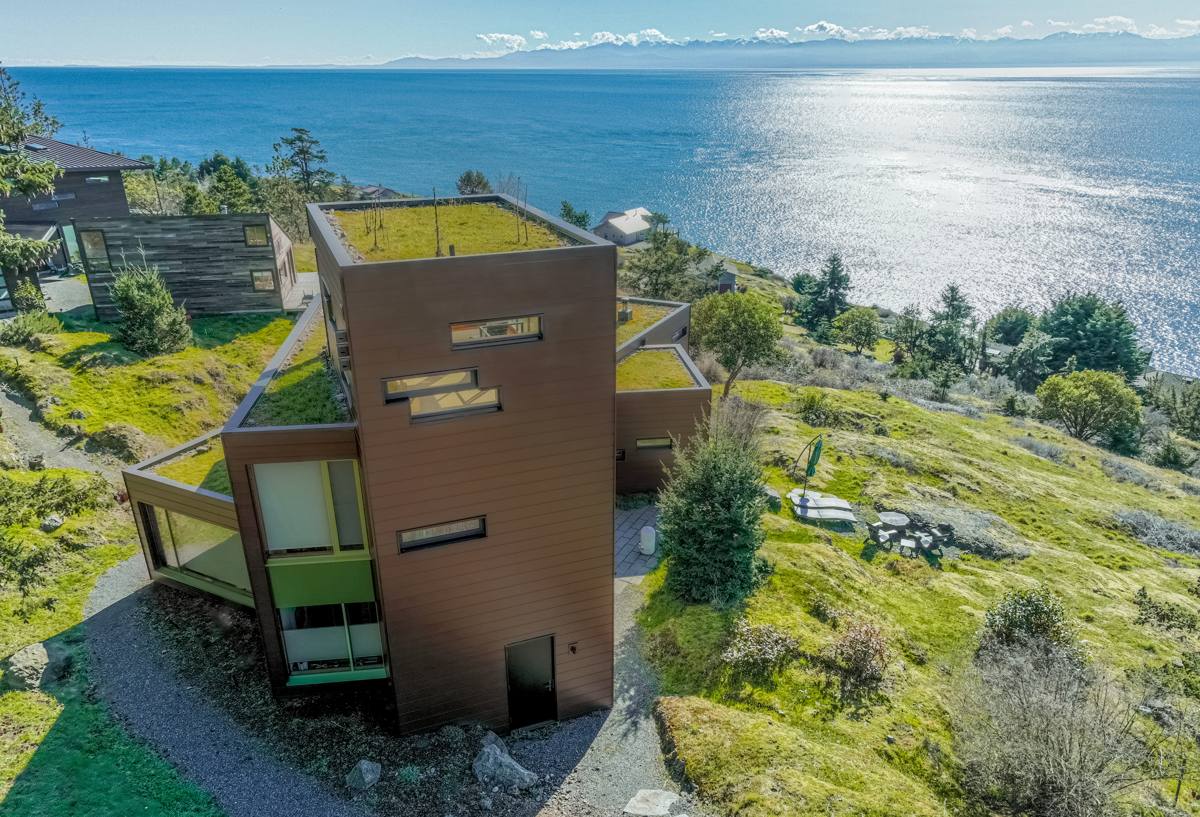
What This Climate Actually Does to a House
Whatcom County's mix of marine-influenced air, driving rain, and long stretches of gray, damp weather adds up to conditions that are hard on exterior materials. Homes in and around Silver Beach deal with salt-tinged air drifting up from the Sound, rain that gets driven into wall assemblies by wind rather than just falling straight down, and a moss and algae season that can run more than half the year in shaded or north-facing spots near the lake and tree cover.
None of that is unusual for this part of the state — but it does mean siding has a harder job here than it would in a drier inland climate. A few specific things happen over time:
- Wood-based products absorb moisture at cut edges and panel joints, leading to swelling, rot, or delamination if not perfectly sealed and maintained.
- Vinyl siding can warp or gap slightly with repeated temperature swings, opening small paths for wind-driven rain to get behind the panels.
- Shaded, moisture-heavy areas near tree lines or the lake grow moss and algae faster than open, sun-exposed walls, staining softer or more porous materials.
- Paint and factory finishes on lower-quality materials break down faster under constant damp-dry cycling, leading to more frequent repainting.
Fiber cement doesn't eliminate these pressures — nothing does — but it's manufactured specifically to resist moisture absorption and hold a factory finish far longer than wood or vinyl alternatives, which is why it's become the standard we recommend for homes in this area.
What Correct Fiber Cement Installation Actually Involves
Fiber cement siding is only as good as its installation. A huge share of the siding problems we get called out to inspect in this region aren't material failures — they're installation shortcuts that let moisture in behind a product that was otherwise doing its job. For a home near Silver Beach, a correct install has to account for how much water this area actually sees.
Moisture Management Behind the Siding
Before a single plank goes up, the wall needs a proper weather-resistive barrier, correctly lapped and taped seams, and rigid flashing at every window, door, and penetration. This matters more here than in drier climates, because any gap in the drainage plane behind the siding gives wind-driven rain a way to reach the sheathing. A rainscreen gap — a small ventilated space between the siding and the wall — is worth discussing for exposed or lake-facing walls, since it lets moisture that does get behind the panels dry out instead of sitting against the wood.
Fastening and Clearances
Fiber cement has to be fastened according to the manufacturer's specifications — correct nail type, spacing, and depth. Overdriven or underdriven fasteners are one of the most common causes of early siding failure, because they either crack the board or leave it loose enough to move and let water in at the fastener hole. Proper clearance from grade, roof lines, decks, and walkways is also critical near the lake, where splash-back and standing moisture at ground level are more common than on a typical dry inland lot.
Joints, Caulking, and Trim
Every horizontal and vertical joint is a potential entry point for water. Correct installation uses factory-mitered or properly lapped joints, quality sealants rated for the exposure, and trim details that shed water away from the wall rather than channeling it toward a seam. Skipping this step is invisible for the first year or two — the problems show up three, five, or ten years later, which is exactly why cutting corners here is so common and so costly to fix after the fact.
Why We Only Install James Hardie Fiber Cement
There's more than one fiber cement product on the market, and there are other siding materials — vinyl, engineered wood, primed cedar — that get pitched as lower-cost alternatives. We don't install any of those, and we think homeowners deserve an honest explanation of why, not just a sales pitch for what we do offer.
Engineered wood products can perform reasonably well, but they rely on a wood-strand core that is more sensitive to moisture intrusion at cut edges and joints than a true fiber cement board. Vinyl is inexpensive and low-maintenance in dry climates, but it can warp with temperature swings and doesn't offer the same rigidity or fire resistance as fiber cement. Primed cedar or spruce look excellent when new, but they require an ongoing painting and sealing schedule that most homeowners underestimate — and in a climate with this much sustained moisture, that maintenance gap shows up fast as cracking, cupping, or rot.
James Hardie fiber cement is non-combustible, engineered specifically for climate zones like this one under their HZ product designation, and finished with a factory-applied ColorPlus coating that's baked on and warranted separately from the substrate — meaning it holds color and resists fading and moisture damage far better than field-applied paint. It also carries a strong transferable limited warranty, which matters if you sell the home before the siding's functional life is up. We standardized on Hardie because, installed correctly, it's the product that best matches what homes in this area are actually up against.
| Material | Moisture Behavior in This Climate | Ongoing Maintenance |
|---|---|---|
| James Hardie fiber cement | Resists swelling and rot; factory finish sheds moss and algae staining well | Occasional wash; no repainting needed for the life of the ColorPlus finish |
| Vinyl siding | Can warp or gap with temperature cycling, opening paths for wind-driven rain | Low, but panels are hard to repair invisibly once damaged |
| Engineered wood (e.g. LP-type) | Wood-strand core sensitive to moisture at cut edges and joints | Requires diligent sealing and prompt repair of any moisture entry |
| Primed cedar/spruce | Absorbs moisture readily; prone to cupping and rot without upkeep | Regular repainting and sealing on a strict schedule |
Our Process for a Silver Beach Project
Every project starts with a walk-around of the home, not a generic quote. We look at sun exposure, tree cover, proximity to the lake, existing moisture damage, and how the current siding has actually performed — not just how it looks from the street. From there:
- We inspect the existing wall assembly and sheathing for hidden moisture damage before quoting anything.
- We spec the correct Hardie product line and profile for the home's exposure — lake-facing and shaded walls sometimes call for different detailing than sun-exposed elevations.
- We remove old siding and repair or replace any damaged sheathing before house wrap and flashing go on.
- We install the weather-resistive barrier, flashing, and any rainscreen detailing the wall needs.
- We fasten and finish the siding to Hardie's published specifications, not shortcuts.
- We do a final walk-through with the homeowner before calling the job done.
None of these steps are unique to Silver Beach — they're just good practice. What's different in this neighborhood is how unforgiving the climate is of skipping any one of them.
Cost Factors for Fiber Cement Siding in This Area
Every home is different, so we won't quote a number here that doesn't apply to your project — but the factors that move the price up or down are consistent across homes in this area:
| Factor | Why It Matters Here |
|---|---|
| Extent of existing moisture damage | Rot found under old siding has to be repaired before new siding goes on, which is common in shaded or lake-facing walls |
| Wall exposure and orientation | Lake-facing and heavily shaded elevations may need added drainage detailing that sun-exposed walls don't |
| Trim and architectural detail | Homes with more corners, windows, and rooflines require more flashing and cut work |
| Access and site conditions | Sloped lots and lakeside properties common in this area can affect staging and scaffolding needs |
| Product line and profile selected | Lap width, texture, and Hardie product line chosen affect material cost |
Signs Your Current Siding Is Already Losing the Fight
If you're not sure whether your home's siding is holding up, these are the signs worth taking seriously before they turn into a bigger repair:
- Persistent moss or algae staining that comes back within weeks of cleaning
- Soft spots, bubbling, or visible swelling, especially near the bottom courses or around windows
- Paint that's peeling, chalking, or fading unevenly across the wall
- Visible gaps or warping at panel joints and corners
- A musty smell or visible staining on interior walls that back onto exterior siding
- Nail heads popping out or streaking with rust
Any one of these on its own might be minor. Several together, especially on a wall that gets a lot of shade or faces the water, usually means moisture has already found a way in.
Maintenance After a Hardie Installation
One of the practical advantages of correctly installed Hardie siding is how little it asks of you afterward. An occasional rinse to knock off pollen, dust, or the start of moss growth is usually enough — there's no repainting cycle to keep up with the way there is with wood siding. It's still worth doing a visual check once or twice a year, particularly after the wetter months, looking for any caulking that's pulled away at trim joints or any spot where moss has taken hold in a shaded corner. Catching small issues early is far cheaper than letting them sit through another wet season.
Why It Matters That We Already Work in This Neighborhood
Siding installation isn't one-size-fits-all, and a crew that mostly works drier, inland areas doesn't always think about rainscreen detailing, lake-effect moisture, or moss-prone shade the same way a crew that works this specific stretch of Whatcom County does. Knowing which walls in this neighborhood tend to hold moisture, how the lake and tree cover affect drying time, and how the local weather patterns actually behave over a full year changes how a job gets detailed — not just how it gets sold.
If you're weighing your options for your home in Silver Beach, we're happy to take a look and talk through what your specific walls need — no pressure, no obligation. Reach out for a free estimate using the form below.