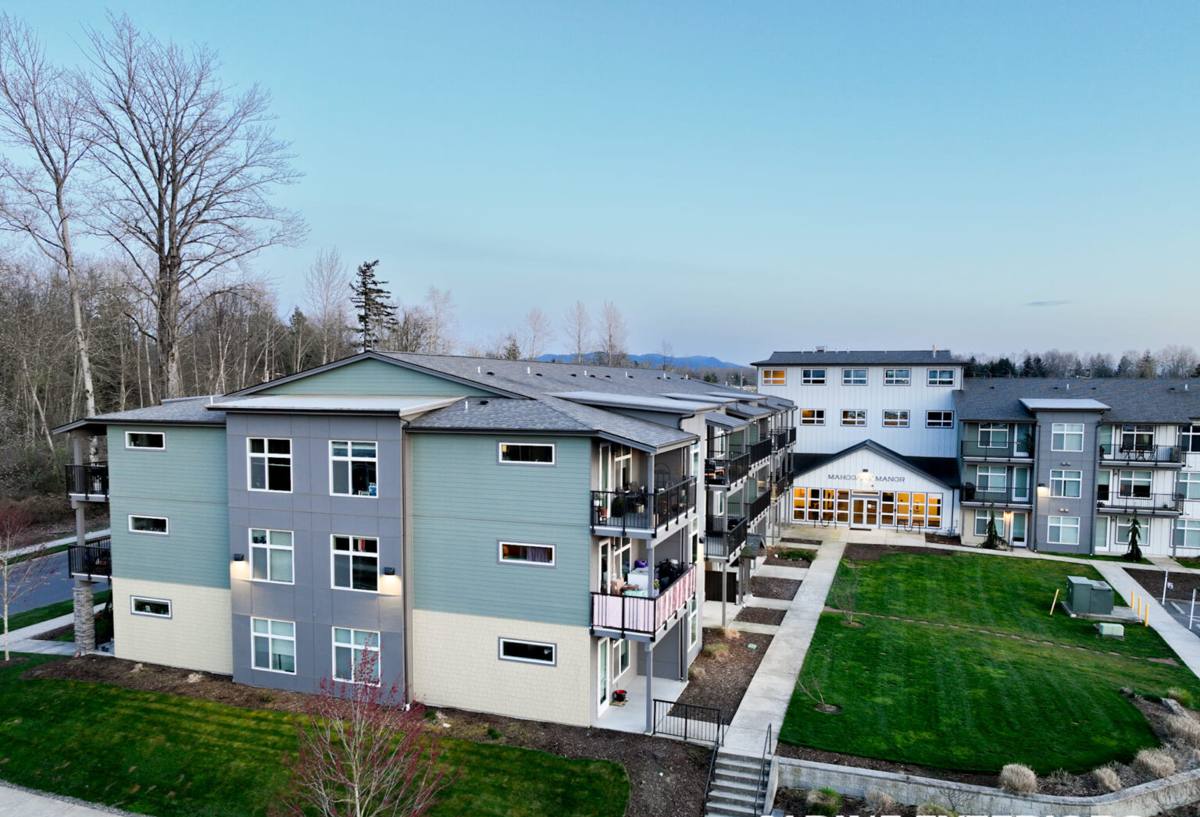
 Sudden Valley Exterior
 Window Installation Built for Deming's Climate, Not Just Any Climate
Deming sits in the foothill country east of Bellingham, in a stretch of Whatcom County where the weather off the Sound and the moisture funneling down from the Cascade foothills both leave their mark on a house. Homes here deal with long stretches of driving rain, humidity that lingers into the shoulder seasons, and a moss season that seems to start earlier every year. Windows are one of the first places that shows up. A window that was installed correctly for a drier climate, or installed carelessly anywhere, will let water find its way behind the trim long before anyone notices a problem inside.
We install windows in Deming and the surrounding Whatcom County communities as a specific, dialed-in job — not a generic task we do the same way everywhere. The flashing details, the sealant choices, and the sequencing all get adjusted for what this climate actually does to a wall assembly over the years.
What This Climate Does to Windows Over Time
Every window failure we get called out to fix in this area traces back to moisture getting somewhere it shouldn't, usually because of one of a handful of causes:
- Wind-driven rain — Whatcom County storms don't just fall straight down; wind pushes rain sideways into any gap around a window frame, which is why proper flashing and drainage planes matter more here than in drier regions.
- Constant humidity — moisture that never fully dries out keeps wood trim, sills, and jambs damp longer, which accelerates rot and paint failure if the assembly isn't detailed to shed water.
- Moss and organic growth — moss doesn't just grow on roofs. It takes hold on north-facing sills, in corner joints, and anywhere water sits, and it holds moisture against the material instead of letting it dry.
- Temperature swings — cold, damp mornings followed by warmer afternoons cause condensation on interior glass and, in older or poorly sealed windows, inside the wall cavity itself.
None of this is unique to Deming, but it's consistent and it's relentless. A window installation that ignores it doesn't fail immediately — it fails in year four or five, usually as soft trim, a musty smell near the window, or a fogged-up sealed unit.
Signs a Deming Home Needs Window Replacement or Reinstallation
Homeowners often live with early warning signs for years before calling anyone, assuming it's cosmetic. Worth a look if you notice:
- Fogging or a visible haze between the panes of a double- or triple-pane window (the seal has failed)
- Soft, spongy, or discolored wood trim around the window exterior
- Drafts you can feel near the frame even with the window fully latched
- Difficulty opening, closing, or locking a window that used to operate smoothly
- Visible moss or dark streaking on the sill or at the corners of the frame
- Paint that keeps failing in the same spot no matter how often it's touched up
- A musty smell near the window when it rains
Any one of these by itself might be minor. Two or three together usually means water has been getting behind the window for a while.
What a Correct Window Installation Actually Involves
Flashing and the Drainage Plane
The single biggest factor in whether a window lasts is whether it's flashed correctly into the wall's water-resistive barrier — the house wrap or building paper behind the siding. Flashing tape and sill pans need to be layered so that any water that does get past the window sheds down and out, never inward. This is the step that gets rushed on a fast, low-bid job, and it's the one that causes the most damage down the line because you can't see it once the trim goes back on.
Sill Pans and Sloped Sills
A sill pan under the window unit gives water a dedicated path out instead of letting it pool and soak into the framing. Combined with a properly sloped sill, this is cheap insurance against rot that's very expensive to fix later.
Insulation and Air Sealing
The gap between the window frame and the rough opening needs to be filled with a low-expansion foam or backer rod and sealant — not stuffed with fiberglass batting, which does little to stop air movement and nothing to stop bulk water. This gap is also where a lot of drafts and condensation problems originate if it's left too open or overfilled.
Exterior Trim and Sealant
The visible caulk line is the last line of defense, not the first. It needs to be a sealant rated for exterior movement and UV exposure, applied over properly lapped flashing — not used as a substitute for it.
Interior Finish
Interior trim, insulation, and air sealing matter too, particularly for preventing condensation on cold mornings, which is a common complaint we hear from homeowners with older single-pane or poorly sealed replacement windows.
Choosing the Right Window for a Whatcom County Foothill Property
There's no single "best" window brand or material — the right choice depends on your home's exposure, your budget, and how much maintenance you want to take on. Here's how the common options stack up for this climate:
| Frame Material | Moisture Behavior | Maintenance | Typical Trade-offs |
|---|---|---|---|
| Vinyl | Doesn't rot or absorb water; good for wet climates | Low — occasional cleaning | Less rigid over very large spans; color/style options more limited |
| Fiberglass | Very stable, minimal expansion/contraction, holds paint well | Low to moderate | Higher upfront cost than vinyl |
| Wood (unclad) | Attractive but vulnerable to rot without diligent upkeep | High — needs regular repainting/sealing | Best reserved for covered or protected openings in this climate |
| Wood-clad (aluminum or vinyl exterior) | Good moisture protection outside, wood warmth inside | Moderate | Cladding must be detailed correctly at joints or water gets trapped behind it |
For most Deming homes exposed to weather on more than one side, we steer people toward vinyl or fiberglass for the exterior-facing performance, reserving unclad wood for sheltered locations like a covered porch where it's less exposed to driving rain.
Our Installation Process
- On-site assessment — we look at existing window condition, framing, siding type, and any signs of past water intrusion before quoting anything.
- Product selection — we walk through frame material, glass package (including double- vs triple-pane), and energy performance based on your home's exposure and budget.
- Removal and opening inspection — once the old window is out, we check the rough opening and framing for hidden rot or damage before installing anything new. This is often where a "simple" window swap turns up a problem that needed fixing anyway.
- Flashing and sill pan installation — done to shed water outward, following the sequence described above.
- Window set, shim, and fasten — leveled, plumbed, and secured per the manufacturer's installation instructions, which affects both performance and warranty coverage.
- Insulate and seal — low-expansion foam or backer rod at the perimeter, exterior sealant over properly lapped flashing.
- Trim and finish — exterior and interior trim reinstalled or replaced, paint or caulk matched to the surrounding surfaces.
- Walkthrough — we test operation, locks, and weatherstripping with you before calling the job done.
Permits and Code Considerations
Window replacement in Whatcom County may require a permit depending on scope — particularly if you're changing the size of an opening, replacing a bedroom egress window, or doing multiple windows as part of a larger remodel. Egress windows in sleeping rooms have minimum size and sill height requirements under the building code, and it's worth confirming those are met even on a straightforward swap, especially in older Deming homes built before current code. We handle the permit question as part of the estimate rather than leaving you to sort it out.
What Affects the Cost of Window Installation
Every home is different, so we don't publish flat pricing, but these are the factors that move the number up or down:
| Factor | Why It Matters |
|---|---|
| Number and size of windows | More openings and larger units mean more material and labor |
| Frame material and glass package | Vinyl and standard double-pane cost less than fiberglass or triple-pane, high-performance glass |
| Condition of the existing opening | Hidden rot or framing damage found during removal adds repair time |
| Full-frame vs. insert replacement | Full-frame replacement (removing to the studs) costs more but is often necessary when the existing frame is compromised |
| Trim and siding tie-in | Matching existing trim profiles or siding material adds finish work |
| Access and site conditions | Second-story or hard-to-reach windows take more time and equipment |
We give a real, itemized number after seeing the actual openings — not a phone estimate that changes once we're on-site.
Why a Crew That Already Works in Deming Matters
Window installation done correctly in this part of Whatcom County means understanding how the local weather actually moves water around a house — not just following a generic installation manual. A crew that regularly works in Deming and the surrounding foothill communities has already seen what happens to windows here over five, ten, fifteen years: which details hold up to the rain and moss season, and which shortcuts show up as callbacks. That's the difference between a window that's still tight and dry a decade from now and one that needs attention again in a few years.
If you're dealing with drafty, foggy, or hard-to-operate windows, or you're planning ahead for a remodel, we're happy to take a look and give you a straightforward, no-pressure estimate — just fill out the form below.