 Sudden Valley Exterior
 Windows Built for Acme's Rain, Wind, and Moss
Acme sits in the wooded, rural country of Whatcom County, where heavy tree cover, valley damp, and marine air pushing inland off Bellingham Bay combine into one of the harder climates on a house's windows. Homes here see driving rain for months at a stretch, humidity that never fully lets up, and a moss season that coats anything shaded or north-facing. Windows take the brunt of it: frames swell and rot, seals fail early, and hardware corrodes faster than it would in a drier part of the state. A window that is "fine" in a dry climate can fail here in half the time if it was not built or installed with this weather in mind.
We install custom windows for homes throughout Sudden Valley and the surrounding Whatcom County communities, including Acme, and we size, spec, and flash every job around what actually happens to a window here over fifteen or twenty winters, not just how it looks on install day.
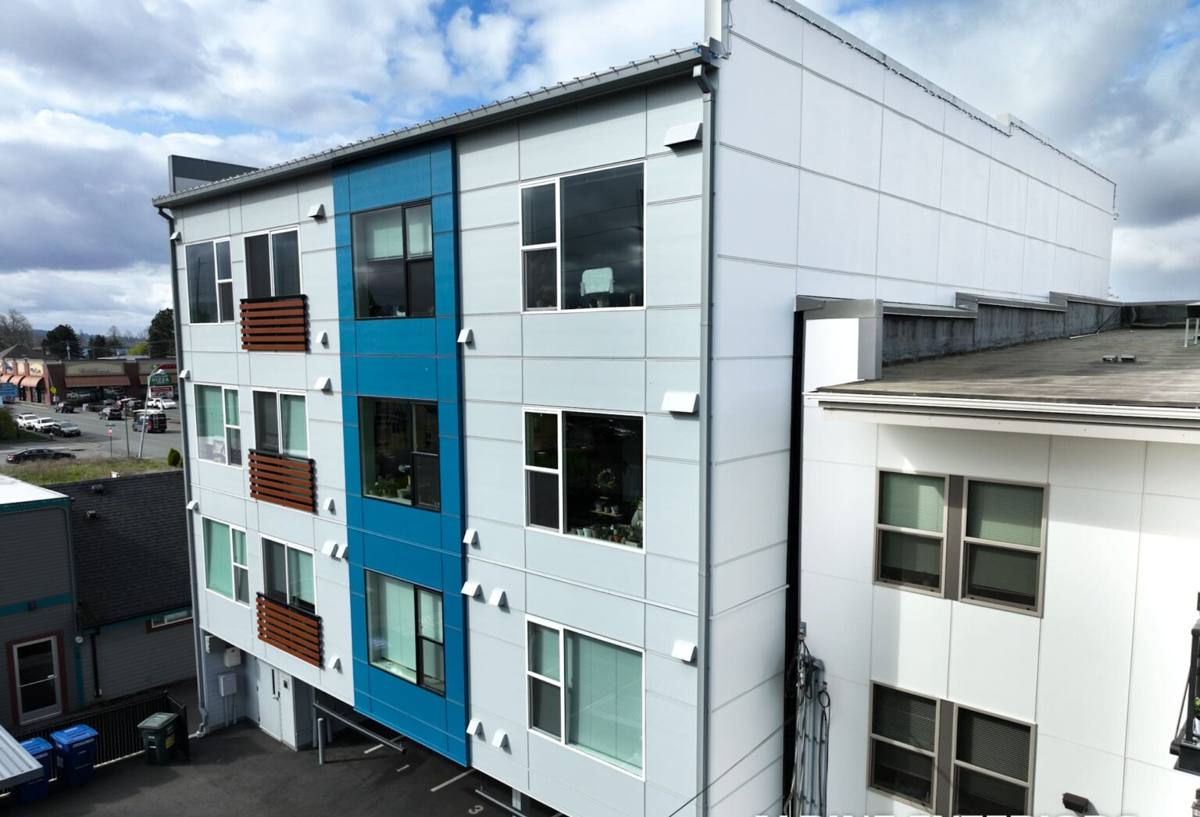
What Acme's Climate Actually Does to a Window
Driving Rain and Wind-Driven Water
Storms in this part of Washington rarely fall straight down. Wind pushes rain sideways into window frames, and over time that finds any gap in flashing, caulking, or trim that was not detailed correctly. Most of the water damage we find around older windows did not come through the glass. It came in around the frame, behind the trim, where nobody could see it until the sill was already soft.
Moss, Shade, and Standing Moisture
The same tree cover that makes Acme a beautiful place to live also means many homes sit in partial shade most of the year. Moss and algae grow on sills, tracks, and exterior trim, holding moisture against wood and painted surfaces long after a storm has passed. On older wood windows, this is one of the most common causes of rot we see, especially on north- and west-facing walls.
Marine Air and Corrosion
Whatcom County's proximity to Bellingham Bay and the Puget Sound means a measure of salt-tinged air reaches even inland communities on the right weather pattern. It is not as aggressive as a beachfront property, but over a couple of decades it still accelerates corrosion on hardware, screens, and unprotected metal components. Windows with cheap or exposed fasteners show pitting and staining years before a well-built unit would.
What a Correctly Installed Window Involves
Most window failures we get called out for are not glass failures. They are installation failures: flashing done out of order, gaps sealed with caulk instead of proper flashing tape, or a window shimmed and fastened without regard for how the wall assembly actually sheds water. A correct installation, in this climate, means:
Flashing Sequence
Water-resistive barrier, sill pan flashing, and side and head flashing all need to be installed in the right order so that water draining down the wall is directed out and over the window, never behind it. Skipping or reversing this sequence is one of the most common causes of hidden rot in older homes in this climate.
Sill Pans and Drainage
A sloped sill pan under the window gives any water that does get past the sash somewhere to go besides straight down into the framing. This is inexpensive to do right during installation and expensive to fix later once framing has already taken on water.
Sealing Without Trapping Moisture
Sealant belongs on the exterior face to block wind-driven rain, but the assembly still needs a way to dry out if a small amount of moisture does get in. Over-sealing a window on all sides, inside and out, can trap moisture in the wall cavity instead of letting it escape, which causes problems that show up months or years later.
Choosing a Window Frame Material for This Climate
There is no single right answer for every home, but some materials hold up better than others under Acme's combination of rain, shade, and humidity. Here is how the common options compare for this climate specifically.
| Frame Material | Moisture Behavior | Maintenance | Typical Trade-Off |
|---|---|---|---|
| Vinyl | Will not rot; can expand and contract with temperature swings | Low; occasional cleaning of tracks and weep holes | Limited color and profile options compared to other materials |
| Fiberglass | Very stable in wet, humid conditions; resists warping | Low | Higher upfront cost than vinyl |
| Wood | Handsome but vulnerable to rot if finish is not maintained | High; needs regular refinishing, especially on shaded walls | Best suited to homes where the look justifies the upkeep |
| Wood-clad | Exterior clad face resists weather; interior keeps wood look | Moderate | Clad seams need attention during installation to stay watertight |
| Aluminum | Durable but conducts heat and cold, and can corrode near marine air over time without a good finish | Moderate | Less energy efficient unless thermally broken |
For most Acme homes dealing with shade, moss, and consistent moisture, we steer customers toward vinyl or fiberglass for the bulk of their windows, and reserve solid or clad wood for homes where the architectural style calls for it and the owner is prepared for the added maintenance. We will walk you through the honest trade-offs for your specific house rather than push one product line for every job.
Signs an Acme Home Needs New or Repaired Windows
- Fogging or a permanent haze between panes, which means the seal on a double- or triple-pane unit has failed
- Soft, discolored, or spongy wood around the frame or sill, especially on shaded or north-facing walls
- Visible moss or dark streaking on the sill, tracks, or exterior trim
- Drafts or a noticeable temperature difference near the window in winter
- Windows that stick, do not latch fully, or have become hard to open and close
- Paint that is peeling or bubbling on the interior or exterior trim around the frame
- Visible daylight or a gap where the frame meets the siding or trim
Any one of these on its own may just need attention. Several at once, on the same window or the same wall, usually points to a moisture problem that has been building for a while.
Our Process for a Custom Window Project
Assessment and Measurement
We start by looking at the whole opening, not just the window itself, because in this climate the condition of the surrounding wall, trim, and flashing matters as much as the window unit. We take accurate measurements and note anything that needs to be addressed before a new window goes in, such as soft framing or missing flashing.
Choosing the Right Unit
Based on the wall's exposure to weather, the home's style, and your budget, we talk through frame material, glass package, and hardware options. A window on a shaded, moss-prone wall does not need the same spec as one on a covered porch that rarely sees direct rain.
Removal and Installation
Old windows and any compromised trim or sheathing are removed carefully so we can see and correct what is underneath before anything new goes back in. New flashing, sill pans, and the window itself are installed in the correct sequence, then sealed and trimmed to match your home.
Final Check and Cleanup
Every new window gets tested for smooth operation, proper latching, and a clean seal before we consider the job done. We walk the site, clean up debris, and go over basic care with you before we leave.
Energy Efficiency in a Cold, Damp Climate
Winters here are not the coldest in the state, but the combination of damp air and steady wind makes drafty windows feel worse than the thermometer suggests, and it drives heating costs up all season. Modern double- and triple-pane units with a quality low-E coating and proper installation cut down on both drafts and condensation on the interior glass, which is a common complaint in older single-pane or poorly sealed windows in this climate. Correct installation matters here as much as the glass package itself; even a high-end window will underperform if it is not sealed and flashed properly.
Maintaining New Windows Through Moss Season
New windows still need basic upkeep in a climate like this one, especially on walls that stay shaded most of the year.
- Rinse and brush sills, tracks, and weep holes clear of moss, needles, and debris a couple of times a year
- Keep nearby vegetation trimmed back so walls and windows get some airflow and sun exposure
- Check that weep holes on vinyl and fiberglass frames are not blocked, since these let trapped water drain out
- Touch up exterior caulking if you notice any cracking or gaps developing at the trim joints
- On wood or wood-clad windows, inspect the finish yearly and refinish before bare wood is exposed to weather
Why It Matters That We Already Work in Acme
A crew that has installed and repaired windows throughout Sudden Valley and the surrounding communities already knows how this specific climate treats a window over time, not just how it looks in a showroom. We know which wall exposures tend to hold moisture, how shaded properties need different attention than open ones, and what installation details actually hold up through a wet winter here. That local pattern recognition is the difference between a window that is installed correctly on paper and one that is installed correctly for this address, on this wall, in this weather.
If you are dealing with drafty, foggy, or failing windows in Acme, or planning new windows as part of a larger project, we would rather look at the actual conditions on your home than guess over the phone. Reach out for a free, no-pressure estimate, and we will tell you honestly what your windows need and what your options are.
Now here's the complete final output in the required format: --- TITLE: Custom Windows for Acme Homes, Built for Whatcom County DESC: Custom window installation and replacement for Acme homes in Whatcom County, built for driving rain, marine air, and moss season. BADGE: Custom Windows BODY:Windows Built for Acme's Rain, Wind, and Moss
Acme sits in the wooded, rural country of Whatcom County, where heavy tree cover, valley damp, and marine air pushing inland off Bellingham Bay combine into one of the harder climates on a house's windows. Homes here see driving rain for months at a stretch, humidity that never fully lets up, and a moss season that coats anything shaded or north-facing. Windows take the brunt of it: frames swell and rot, seals fail early, and hardware corrodes faster than it would in a drier part of the state. A window that is "fine" in a dry climate can fail here in half the time if it was not built or installed with this weather in mind.
We install custom windows for homes throughout Sudden Valley and the surrounding Whatcom County communities, including Acme, and we size, spec, and flash every job around what actually happens to a window here over fifteen or twenty winters, not just how it looks on install day.
What Acme's Climate Actually Does to a Window
Driving Rain and Wind-Driven Water
Storms in this part of Washington rarely fall straight down. Wind pushes rain sideways into window frames, and over time that finds any gap in flashing, caulking, or trim that was not detailed correctly. Most of the water damage we find around older windows did not come through the glass. It came in around the frame, behind the trim, where nobody could see it until the sill was already soft.
Moss, Shade, and Standing Moisture
The same tree cover that makes Acme a beautiful place to live also means many homes sit in partial shade most of the year. Moss and algae grow on sills, tracks, and exterior trim, holding moisture against wood and painted surfaces long after a storm has passed. On older wood windows, this is one of the most common causes of rot we see, especially on north- and west-facing walls.
Marine Air and Corrosion
Whatcom County's proximity to Bellingham Bay and the Puget Sound means a measure of salt-tinged air reaches even inland communities on the right weather pattern. It is not as aggressive as a beachfront property, but over a couple of decades it still accelerates corrosion on hardware, screens, and unprotected metal components. Windows with cheap or exposed fasteners show pitting and staining years before a well-built unit would.
What a Correctly Installed Window Involves
Most window failures we get called out for are not glass failures. They are installation failures: flashing done out of order, gaps sealed with caulk instead of proper flashing tape, or a window shimmed and fastened without regard for how the wall assembly actually sheds water. A correct installation, in this climate, means:
Flashing Sequence
Water-resistive barrier, sill pan flashing, and side and head flashing all need to be installed in the right order so that water draining down the wall is directed out and over the window, never behind it. Skipping or reversing this sequence is one of the most common causes of hidden rot in older homes in this climate.
Sill Pans and Drainage
A sloped sill pan under the window gives any water that does get past the sash somewhere to go besides straight down into the framing. This is inexpensive to do right during installation and expensive to fix later once framing has already taken on water.
Sealing Without Trapping Moisture
Sealant belongs on the exterior face to block wind-driven rain, but the assembly still needs a way to dry out if a small amount of moisture does get in. Over-sealing a window on all sides, inside and out, can trap moisture in the wall cavity instead of letting it escape, which causes problems that show up months or years later.
Choosing a Window Frame Material for This Climate
There is no single right answer for every home, but some materials hold up better than others under Acme's combination of rain, shade, and humidity. Here is how the common options compare for this climate specifically.
| Frame Material | Moisture Behavior | Maintenance | Typical Trade-Off |
|---|---|---|---|
| Vinyl | Will not rot; can expand and contract with temperature swings | Low; occasional cleaning of tracks and weep holes | Limited color and profile options compared to other materials |
| Fiberglass | Very stable in wet, humid conditions; resists warping | Low | Higher upfront cost than vinyl |
| Wood | Handsome but vulnerable to rot if finish is not maintained | High; needs regular refinishing, especially on shaded walls | Best suited to homes where the look justifies the upkeep |
| Wood-clad | Exterior clad face resists weather; interior keeps wood look | Moderate | Clad seams need attention during installation to stay watertight |
| Aluminum | Durable but conducts heat and cold, and can corrode near marine air over time without a good finish | Moderate | Less energy efficient unless thermally broken |
For most Acme homes dealing with shade, moss, and consistent moisture, we steer customers toward vinyl or fiberglass for the bulk of their windows, and reserve solid or clad wood for homes where the architectural style calls for it and the owner is prepared for the added maintenance. We will walk you through the honest trade-offs for your specific house rather than push one product line for every job.
Signs an Acme Home Needs New or Repaired Windows
- Fogging or a permanent haze between panes, which means the seal on a double- or triple-pane unit has failed
- Soft, discolored, or spongy wood around the frame or sill, especially on shaded or north-facing walls
- Visible moss or dark streaking on the sill, tracks, or exterior trim
- Drafts or a noticeable temperature difference near the window in winter
- Windows that stick, do not latch fully, or have become hard to open and close
- Paint that is peeling or bubbling on the interior or exterior trim around the frame
- Visible daylight or a gap where the frame meets the siding or trim
Any one of these on its own may just need attention. Several at once, on the same window or the same wall, usually points to a moisture problem that has been building for a while.
Our Process for a Custom Window Project
Assessment and Measurement
We start by looking at the whole opening, not just the window itself, because in this climate the condition of the surrounding wall, trim, and flashing matters as much as the window unit. We take accurate measurements and note anything that needs to be addressed before a new window goes in, such as soft framing or missing flashing.
Choosing the Right Unit
Based on the wall's exposure to weather, the home's style, and your budget, we talk through frame material, glass package, and hardware options. A window on a shaded, moss-prone wall does not need the same spec as one on a covered porch that rarely sees direct rain.
Removal and Installation
Old windows and any compromised trim or sheathing are removed carefully so we can see and correct what is underneath before anything new goes back in. New flashing, sill pans, and the window itself are installed in the correct sequence, then sealed and trimmed to match your home.
Final Check and Cleanup
Every new window gets tested for smooth operation, proper latching, and a clean seal before we consider the job done. We walk the site, clean up debris, and go over basic care with you before we leave.
Energy Efficiency in a Cold, Damp Climate
Winters here are not the coldest in the state, but the combination of damp air and steady wind makes drafty windows feel worse than the thermometer suggests, and it drives heating costs up all season. Modern double- and triple-pane units with a quality low-E coating and proper installation cut down on both drafts and condensation on the interior glass, which is a common complaint in older single-pane or poorly sealed windows in this climate. Correct installation matters here as much as the glass package itself; even a high-end window will underperform if it is not sealed and flashed properly.
Maintaining New Windows Through Moss Season
New windows still need basic upkeep in a climate like this one, especially on walls that stay shaded most of the year.
- Rinse and brush sills, tracks, and weep holes clear of moss, needles, and debris a couple of times a year
- Keep nearby vegetation trimmed back so walls and windows get some airflow and sun exposure
- Check that weep holes on vinyl and fiberglass frames are not blocked, since these let trapped water drain out
- Touch up exterior caulking if you notice any cracking or gaps developing at the trim joints
- On wood or wood-clad windows, inspect the finish yearly and refinish before bare wood is exposed to weather
Why It Matters That We Already Work in Acme
A crew that has installed and repaired windows throughout Sudden Valley and the surrounding communities already knows how this specific climate treats a window over time, not just how it looks in a showroom. We know which wall exposures tend to hold moisture, how shaded properties need different attention than open ones, and what installation details actually hold up through a wet winter here. That local pattern recognition is the difference between a window that is installed correctly on paper and one that is installed correctly for this address, on this wall, in this weather.
If you are dealing with drafty, foggy, or failing windows in Acme, or planning new windows as part of a larger project, we would rather look at the actual conditions on your home than guess over the phone. Reach out for a free, no-pressure estimate, and we will tell you honestly what your windows need and what your options are.