 Sudden Valley Exterior
 Building Decks for Cordata's Rain, Moss, and Salt Air
Cordata sits inside a stretch of Whatcom County where the weather doesn't do a deck any favors. Long stretches of driving rain, humidity that lingers under tree cover well after a storm passes, and a moss season that can run from early fall into late spring all put real stress on outdoor structures. A deck built to a generic, one-size-fits-all spec might look fine the first summer, but the difference shows up two or three winters in — soft spots near the house, green film on the boards, hardware that's already streaking with rust. We build decks in this area specifically to hold up to that pattern, not just to look good on installation day.
This page covers what a custom deck actually needs to survive around Cordata, what a correct build looks like from the ground up, and how we approach the work.
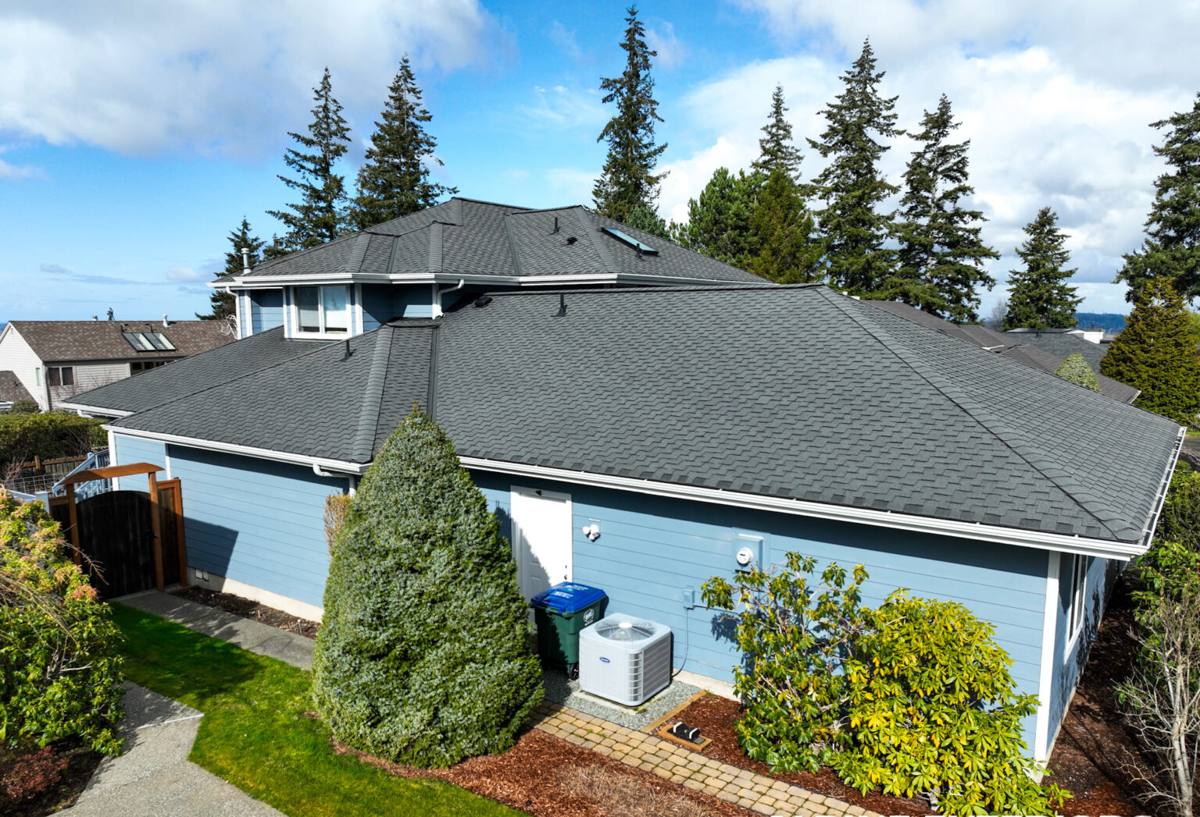
What a Wet, Mossy Climate Does to a Deck That Wasn't Built for It
Most deck failures we get called out to inspect aren't dramatic collapses — they're slow problems that started small and got ignored. In a region with this much sustained moisture, the same few issues show up again and again.
The Ledger Board Connection
The ledger board — where the deck attaches to the house — is the single most common failure point in wet climates. If it isn't properly flashed to shed water away from the house's siding and framing, water gets trapped behind it and starts rotting both the ledger and the rim joist it's fastened to. This kind of damage is hidden until the deck starts to feel spongy or a railing post starts to lean, by which point the repair is bigger than it needed to be.
Board Spacing and Drainage
Decking boards need consistent gaps to let water drain through instead of pooling on the surface. Boards installed too tight — often to make a deck look seamless when it's new — trap moisture between them. That trapped moisture is exactly what moss and mildew need to take hold, and once moss is established on a deck surface it holds even more water against the wood and turns the boards slick underfoot.
Fasteners and Hardware
Coastal Whatcom County's air carries enough salt content, combined with near-constant humidity, to accelerate corrosion on hardware that isn't rated for it. Standard galvanized fasteners can start showing rust streaks within a couple of seasons. We use fasteners and structural connectors rated for exterior and coastal exposure, which costs a little more up front but avoids the black streaking and eventual fastener failure that shows up on decks built with hardware store basics.
Material Choice Matters More Here Than in Drier Climates
Every decking material has trade-offs, but those trade-offs get amplified in a climate with this much sustained wet weather. Here's how the common options actually compare for a Cordata-area deck, honestly:
| Material | Upfront Cost | Maintenance | Moss/Moisture Behavior | Realistic Lifespan Here |
|---|---|---|---|---|
| Pressure-treated lumber | Lowest | Needs cleaning and re-sealing every 1-2 years | Absorbs moisture readily; prone to moss if not maintained | 10-15 years with upkeep |
| Cedar | Mid-range | Regular sealing to hold color and resist moisture | Naturally rot-resistant but still needs care to fend off surface mildew | 15-20 years with upkeep |
| Capped composite | Higher | Occasional washing, no sealing or staining | Sheds water well; surface film can still develop without periodic cleaning | 25+ years |
| PVC decking | Highest | Lowest maintenance of the group | Doesn't absorb moisture; least hospitable surface for moss | 25-30+ years |
We don't push one material on every homeowner. A cedar deck maintained on a real schedule can look great for decades, and plenty of Cordata homeowners prefer the look and feel of real wood. The honest trade-off is time: composite and PVC cost more initially but ask almost nothing of you afterward, while wood costs less up front and asks for consistent attention. We'll walk through what fits your budget and how much upkeep you actually want to take on before we recommend anything.
What a Correctly Built Custom Deck Involves, Start to Finish
- Footings sized for the load and local frost depth — undersized or shallow footings are a common shortcut that shows up as settling within a few years.
- Structural framing with moisture-appropriate materials — treated lumber sized correctly for the span, not stretched past its rated limits.
- Ledger flashing done properly — this is the step that gets skipped most often and causes the most hidden damage when it is.
- Joist protection tape over the framing to keep standing water from soaking into cut lumber ends and fastener holes.
- Corrosion-resistant fasteners and connectors rated for exterior, coastal-influenced exposure.
- Decking installed with proper drainage gaps and, where hidden fastener systems are used, correctly spaced clips.
- Railings and guards built to current code for height, baluster spacing, and load.
- Stairs with correct rise and run and secure stringer attachment — a common source of movement over time if skipped.
None of these steps are optional if you want a deck that's still solid in ten years. Most of them are also invisible once the deck is finished, which is exactly why it matters who's doing the work and not just what the final product looks like on day one.
Our Process for Cordata Homeowners
We keep the process straightforward:
- On-site assessment — we look at your existing structure (if replacing a deck), your yard's drainage patterns, tree cover, and sun exposure.
- Design and material walkthrough — sizing, layout, and an honest conversation about materials and maintenance based on what you actually want to deal with long-term.
- Permitting — we handle the permit process with Whatcom County or the relevant local jurisdiction so the deck is built and signed off correctly.
- Build — framing, flashing, decking, railings, and stairs, built to the standards above rather than the fastest path to a finished-looking surface.
- Final walkthrough — we go over the finished deck with you, including what maintenance it will actually need based on the material you chose.
Maintaining a Deck Through Whatcom County's Moss Season
Even a well-built deck needs some seasonal attention in this climate. A short list that actually makes a difference:
- Sweep leaves and debris off the surface regularly in fall — trapped organic material is what moss and mildew feed on.
- Clean the deck surface at least once a year, more often in shaded or north-facing areas where moisture lingers longest.
- Check and clear drainage gaps between boards so water isn't pooling.
- Re-seal wood decking on the schedule appropriate to the product — skipping a cycle is when moisture starts winning.
- Inspect the ledger board connection and any visible fasteners once a year for early signs of rust or water staining.
Why a Crew That Already Works in Cordata Matters
A deck built by someone unfamiliar with this specific climate often looks fine on paper and still underperforms in practice. Working regularly in Cordata and the surrounding Whatcom County area means we already know the local permitting process, understand how the drainage and moss issues typically show up on lots in this area, and have relationships with suppliers who carry the corrosion-rated hardware and climate-appropriate materials we specify. That familiarity translates into fewer surprises during the build and a deck that's designed for the actual conditions it has to survive, not a generic template.
What It Costs to Build a Custom Deck in Cordata
Costs vary a lot based on size, material, and site conditions. Rather than quote a number that won't mean much without seeing your property, here's what actually moves the price:
| Factor | Why It Affects Cost |
|---|---|
| Decking material | Pressure-treated lumber costs less upfront than cedar, composite, or PVC — but changes long-term maintenance cost too. |
| Deck height and footing depth | Taller decks and deeper footings require more structural material and labor. |
| Site access and slope | Sloped yards or limited equipment access add labor time. |
| Railing style | Cable, glass, and custom metal railings cost more than standard baluster railing. |
| Roof or cover addition | A pergola, roof, or partial cover adds material and structural requirements. |
| Permit and inspection requirements | Larger or elevated decks typically require more inspection steps, which affects project timeline and cost. |
Before You Hire a Deck Contractor
- Ask whether they flash the ledger board and use joist protection tape as standard practice, not an upsell.
- Ask what fastener and hardware grade they use, and whether it's rated for coastal or high-moisture exposure.
- Ask how footing depth is determined for your specific lot.
- Ask for a clear breakdown of material options and their real-world maintenance requirements, not just price per square foot.
- Confirm they'll handle the local permit process rather than leaving it to you.
If you're planning a new deck or replacing one that's showing its age, we're happy to take a look and put together a free, no-pressure estimate — just fill out the form below.